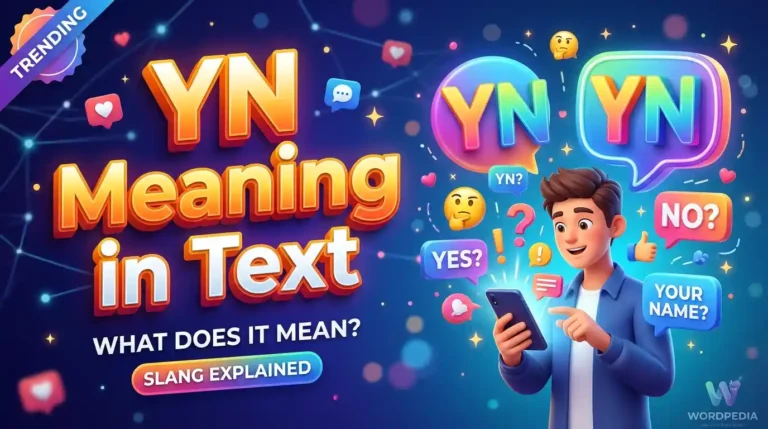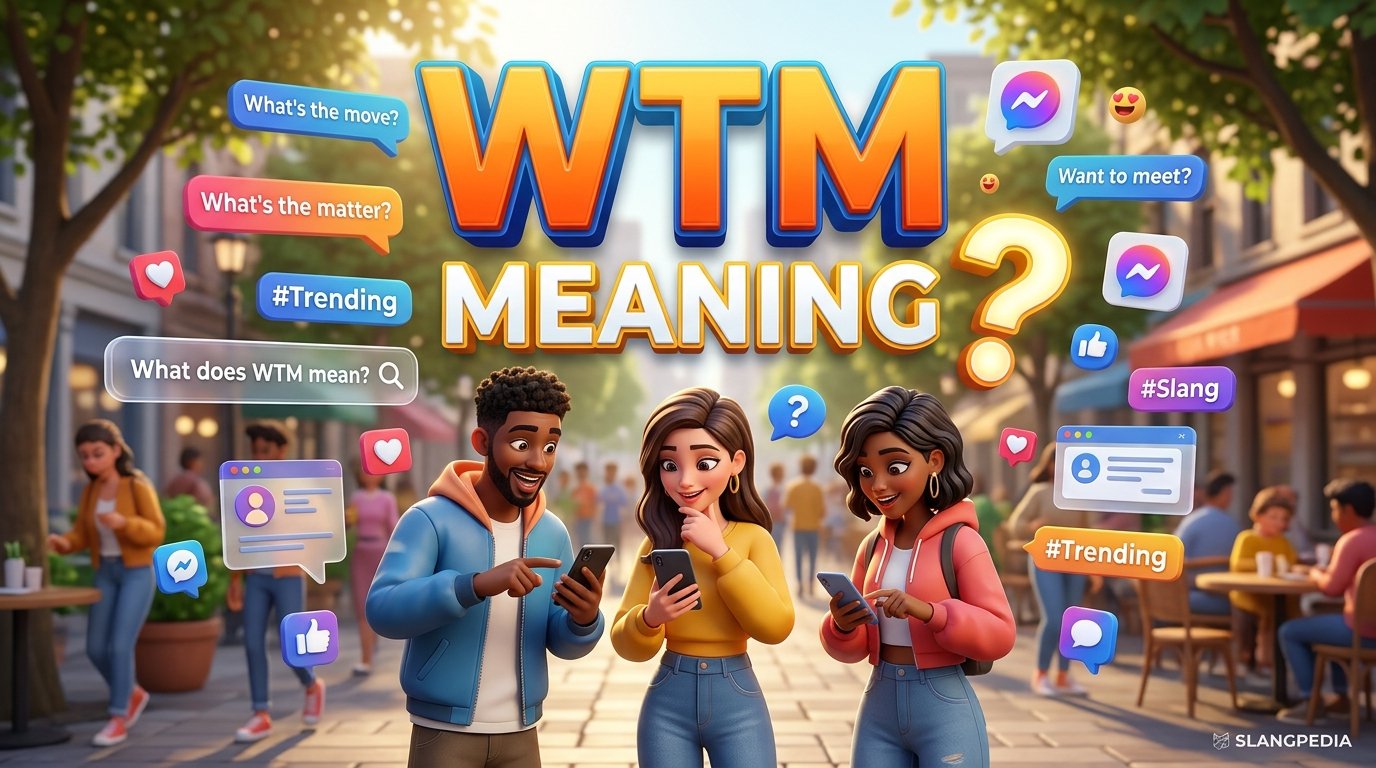
When it comes to online conversations, short slang terms make texting faster and more fun. One popular abbreviation you may see in messages, social media comments, and group chats is WTM. If you have searched for wtm meaning, you may have noticed that it often stands for “What’s the Move?” People use it to ask about plans, suggest meeting up, or find out what everyone wants to do.
What Does WTM Mean in Texting?
The most common meaning of WTM in texting is “What’s the Move?” It is a casual way to ask someone about their plans or suggest doing something together.
When someone sends you WTM, they usually want to know what is happening next. They might be asking about weekend plans, a party, a trip, or a simple hangout.
For example:
- Friend 1: WTM tonight?
- Friend 2: Let’s grab some food.
- Friend 1: Sounds good!
In this conversation, the sender wants to know what everyone plans to do.
The phrase also works as a friendly invitation. Someone may not have a specific activity in mind. Instead, they want to start a conversation and see what ideas others have.
You might see WTM in different situations, such as:
- Making weekend plans with friends.
- Asking about after-school activities.
- Finding out where everyone is meeting.
- Planning a birthday celebration.
- Deciding what to do after work.
- Starting a conversation with someone you like.
Understanding wtm meaning helps you recognize the intention behind these short messages. Most of the time, the sender wants to make plans or hear your suggestions.
What Does WTM Mean on Social Media?
On social media, WTM usually carries the same meaning as it does in private messages. However, people often use it to invite suggestions, start discussions, and connect with others.
You may notice this abbreviation on platforms like Instagram, Snapchat, TikTok, and X. People use it in comments, captions, stories, and direct messages.
Here are some common examples:
1. Instagram Stories
Someone might post:
“Friday night is here. WTM?”
This means they want suggestions for something fun to do. Their followers might recommend a restaurant, movie, or local event.
2. Snapchat Messages
A friend could send:
“WTM after class?”
They are asking whether you have plans after school. They may also want to spend some time with you.
3. TikTok Comments
A user might comment:
“WTM this weekend?”
They could be asking other people to share their plans or suggest an interesting activity.
4. Group Chats
Someone may write:
“Everyone is free tomorrow. WTM?”
This message invites the group to choose an activity together.
Social media has made short expressions popular because they save time and feel natural. Similar texting shortcuts, such as common online abbreviations, also help people communicate quickly.
The meaning usually becomes clear when you consider the conversation, the relationship between the people, and the situation.
Different Ways People Use WTM in Conversations
Although WTM commonly means “What’s the Move?”, people use it in several situations. The surrounding words help you understand what the sender wants.
1. Asking About Weekend Plans
One of the most common uses appears when people discuss their free time. Someone might send WTM on Friday or Saturday to find out what friends want to do.
For example:
“WTM this Saturday? I don’t want to stay home.”
The sender wants suggestions for an enjoyable weekend. They may be open to visiting a new place, watching a movie, or meeting friends.
2. Making Last-Minute Plans
People also use WTM when they want to arrange something without much preparation. It works well when friends suddenly become available.
Example:
“Just finished work. WTM?”
This message asks whether anyone wants to meet or do something right away.
3. Starting a Conversation
Sometimes, people send WTM simply because they want to talk. They may not have a particular activity in mind.
Example:
“Hey, WTM today?”
It creates an easy opening for a conversation. The other person can share their plans or suggest something new.
4. Asking About Group Activities
WTM is also useful in group conversations. It helps everyone share ideas before making a decision.
Example:
“We all have Sunday off. WTM, everyone?”
One person might suggest brunch, while another recommends a road trip.
5. Showing Interest in Someone
In a casual or romantic conversation, WTM can show that someone wants to spend time with you.
For example:
“WTM tonight? I’d love to see you.”
Here, the sender is not simply asking about general plans. They are expressing interest in meeting you.
These examples show why understanding wtm meaning requires more than knowing its full form. You should also consider the sender’s intention.
What Does WTM Mean From a Guy or Girl?
The meaning of WTM does not change based on who sends it. However, the situation and relationship can influence the message’s tone.
When a Guy Sends WTM
If a guy sends you WTM, he may be asking about your plans or looking for an opportunity to meet.
For example:
- “WTM tonight? Let’s go somewhere.”
- “WTM this weekend? I know a nice place.”
- “WTM after work? Want to grab coffee?”
These messages can show that he wants to spend time with you. However, they do not automatically mean romantic interest.
Look at his other messages and how he normally communicates. If he regularly starts conversations, makes thoughtful plans, and shows genuine interest, his invitation may have a deeper meaning.
When a Girl Sends WTM
When a girl sends WTM, she may want to know what you are doing or invite you to join an activity.
For example:
- “WTM later? I’m free today.”
- “WTM this Friday? We should go out.”
- “WTM after class? Let’s get something to eat.”
She might simply be making friendly plans. In some situations, she could also be showing romantic interest.
The best approach is to avoid making assumptions. Respond naturally and see how the conversation develops.
Does WTM Mean Someone Likes You?
Not necessarily. WTM is usually a casual question about plans. It can be friendly, social, or slightly flirty.
Pay attention to the bigger picture instead of judging someone’s feelings from one abbreviation.
How to Reply to WTM in Text Messages
Once you understand wtm meaning, the next step is knowing how to respond. Your reply should match the situation and show whether you want to make plans.
Here are several natural ways to answer.
1. When You Want to Make Plans
If you are interested in meeting, suggest something simple.
- “Let’s go out for dinner.”
- “How about watching a movie?”
- “I’m free. Want to grab coffee?”
- “Let’s find something fun to do.”
- “We should try that new restaurant.”
A clear suggestion makes it easier for the other person to decide.
2. When You Already Have Plans
You can politely explain what you are doing.
- “I’m meeting a friend later.”
- “I have dinner plans tonight.”
- “I’m going shopping with my family.”
- “I’m heading out after work.”
- “I’ve got a busy evening today.”
You do not need to give a long explanation. A short, friendly answer is enough.
3. When You Have No Plans
If you are free but have no ideas, let the other person suggest something.
- “Nothing planned yet. You?”
- “I’m free. Got any ideas?”
- “Not sure. What are you thinking?”
- “I’m open to anything fun.”
- “Let’s decide together.”
These replies keep the conversation moving.
4. When You Want to Be Funny
A little humor can make your response more interesting.
- “The move is finding free food!”
- “My move is staying away from responsibilities.”
- “Let’s make a plan before we get lazy.”
- “Somewhere with good food and no long lines.”
- “The move is wherever the snacks are.”
Funny replies work especially well with friends who enjoy playful conversations.
5. When You Want to Be Flirty
If you are talking to someone you like, you can make your response slightly romantic.
- “My move is spending time with you.”
- “Anywhere sounds good if you’re coming.”
- “I was hoping you’d ask.”
- “Let’s make tonight memorable.”
- “How about a little time together?”
Keep your response natural. A simple invitation often feels better than an overly dramatic message.
WTM Meaning vs. Other Popular Texting Abbreviations
People use many abbreviations in digital conversations. Some ask about plans, while others help keep messages short or explain what someone wants.
Knowing the differences can prevent misunderstandings.
WTM vs. WYD
WTM means “What’s the Move?” while WYD means “What You Doing?”
The main difference is their purpose.
- WTM asks about plans or suggests an activity.
- WYD asks what someone is doing at that moment.
Example:
- WTM tonight? = What should we do tonight?
- WYD tonight? = What are you doing tonight?
Both expressions can start a conversation, but they do not ask exactly the same question.
WTM vs. WYA
WYA means “Where You At?”
It asks about someone’s current location rather than their plans.
For example:
“WTM after work?” asks what activity someone wants to do.
“WYA after work?” asks where someone is.
WTM vs. WBU
WBU stands for “What About You?”
People use it to return a question or ask another person to share their thoughts.
Example:
“I’m going to the movies. WBU?”
The sender wants to know what the other person plans to do.
WTM vs. LMK
LMK means “Let Me Know.”
It asks someone to share information or provide an answer.
For example:
“Let me know if you’re free tonight.”
You may see it in the same conversations where people discuss plans. You can explore other short texting expressions to understand how these abbreviations work.
WTM vs. TTYL
TTYL means “Talk to You Later.”
Unlike WTM, it does not ask about plans. Instead, people use it when ending a conversation temporarily.
For more examples, read this explanation of a common goodbye abbreviation.
Understanding these differences makes online conversations easier. Each abbreviation has a different purpose, even when people use them in similar situations.
Can WTM Have Other Meanings?
Yes. Although “What’s the Move?” is a common meaning in casual texting, WTM can represent other phrases in different settings.
The context matters because abbreviations often have multiple meanings.
Here are a few possibilities:
1. What’s the Matter?
Some people use WTM to ask whether something is wrong. However, this is less clear than writing the full question.
Example:
“Hey, you seem quiet. WTM?”
The sender may be asking whether something has happened.
2. Whatever That Means
In certain conversations, someone might use WTM as a shortened reference to “whatever that means.” This usage depends heavily on the sentence and is not a standard interpretation.
3. Workplace or Industry Abbreviations
In professional settings, WTM might refer to a specific project, organization, technical term, or internal process.
For example, a team could use the same letters as an internal project abbreviation.
4. Event or Organization Names
Some organizations and events use WTM as part of their official names. In those situations, the letters have nothing to do with casual texting.
This is why you should never assume that every abbreviation has one universal definition.
How to Identify the Correct Meaning
Use these simple clues:
- Check the topic: Is the conversation about going out or making plans?
- Read the full message: Other words may explain the abbreviation.
- Consider the relationship: Friends may use casual slang differently from coworkers.
- Look at the platform: A private message may use slang that would not fit a formal email.
- Ask if necessary: If the meaning is unclear, request clarification.
For everyday conversations, wtm meaning most often points to a question about plans. Still, context should guide your interpretation.
Common Mistakes to Avoid When Using WTM
WTM is easy to use, but a few common mistakes can create confusion. Understanding the right situations will help you communicate more clearly.
1. Assuming It Always Means the Same Thing
The biggest mistake is treating every use of WTM as “What’s the Move?” Some conversations may use the letters differently.
Read the entire message before deciding what the sender means.
2. Using It in Formal Communication
WTM belongs mainly in casual digital conversations. Avoid using it in professional emails, official documents, or serious business discussions.
Instead of writing:
“WTM about the meeting?”
Try:
“What is the next step for the meeting?”
Clear language works better in professional settings.
3. Sending It Without Enough Context
A message like “WTM?” may confuse someone who does not know what you are referring to.
You can make your question clearer by adding a time or activity.
For example:
“WTM this weekend? Are we still going out?”
4. Expecting Everyone to Know the Abbreviation
Not everyone follows the same texting trends. Some people may have never seen WTM before.
If someone asks what it means, explain it instead of making them feel uncomfortable.
5. Misreading Friendly Interest as Romance
A person who asks WTM may simply want to hang out. Do not assume that the message is romantic without other signs of interest.
Good communication depends on understanding the full situation.
Tips for Using WTM Naturally in Everyday Texting
Using slang naturally makes conversations feel relaxed. You do not need to add abbreviations to every sentence. A little balance keeps your messages clear and friendly.
Here are some practical tips:
Use it with people you know. WTM works best with friends, classmates, family members, and people who understand casual texting.
Add a time or activity. A message such as “WTM tonight?” gives the other person a clearer idea of what you want.
Match the other person’s style. If someone prefers complete sentences, use simple language instead of relying on slang.
Keep your message friendly. WTM should sound like an invitation or question, not a demand.
Avoid overusing abbreviations. Too many shortened words can make a message difficult to understand.
Use emojis when appropriate. A smile or laughing emoji can make a casual invitation feel warmer.
For example:
“WTM this weekend? 😊”
This feels friendly and inviting without adding unnecessary words.
You can also combine WTM with other familiar expressions. For example, someone might write “WTM, lmk if you’re free.” These combinations make texting quick and convenient.
If you enjoy learning digital language, exploring other slang meanings and expressions can help you understand more online conversations.
Conclusion
Understanding wtm meaning makes everyday digital conversations easier. In most casual messages, WTM stands for “What’s the Move?” People use it to ask about plans, suggest activities, arrange meetups, or start conversations with friends.
You may see it on Instagram, Snapchat, TikTok, and other messaging platforms. Its meaning can also change depending on the situation, so always consider the surrounding words before responding.
The best way to reply depends on your plans. You can suggest an activity, share your schedule, make a funny comment, or ask the other person for ideas. If the message feels unclear, simply ask what they mean.
Remember that slang should make communication easier, not harder. Once you understand common abbreviations and their context, you can respond with confidence. Whether a friend wants to hang out or someone is starting a casual conversation, WTM is a simple way to keep things moving.
Frequently Asked Questions (FAQs)
1. What does WTM mean in a text message?
WTM usually means “What’s the Move?” It is a casual way to ask someone about their plans or suggest doing something together. Friends often use it when arranging meetups, weekend activities, or social events.
2. What does WTM mean from a guy?
When a guy sends WTM, he may be asking about your plans or suggesting that you meet. It can show friendly interest or romantic interest, depending on your relationship and the surrounding conversation.
3. What does WTM mean on Snapchat?
On Snapchat, WTM commonly means “What’s the Move?” People use it in chats and stories to ask about plans, suggest activities, or find out what friends want to do.
4. How should I respond when someone says WTM?
You can suggest an activity, share your plans, or ask the other person for ideas. For example, reply with “Let’s grab dinner” or “I’m free. What are you thinking?”
5. Does WTM mean the same as WYD?
No. WTM means “What’s the Move?” and usually asks about plans. WYD means “What You Doing?” and asks what someone is doing. Both can start casual conversations, but their purposes are different.
6. Is WTM appropriate for professional conversations?
WTM is generally informal slang. It works well in friendly messages but is not ideal for professional emails or official communication. Use clear phrases such as “What are the next steps?” in workplace discussions.