Fruits are one of nature’s most colorful and diverse creations, offering countless flavors, textures, and nutritional benefits. If you are searching for Fruits starting n, you will find a surprising variety ranging from familiar favorites like nectarines and navel oranges to rare tropical fruits found in different parts of the world. Each fruit has its own unique story, growing conditions, and cultural importance.
In this complete list of Fruits Starting N, we explore common, exotic, tropical, citrus, and lesser-known fruits that begin with the letter N. Whether you are learning fruit names, preparing educational content, or simply exploring nature’s diversity, this guide will help you discover fascinating fruits from around the globe.
Fruits Starting N: Taste, Uses, and Benefits
Fruits starting N include a wide range of flavors, textures, and nutritional qualities, from sweet and juicy varieties to tart and refreshing options. They can provide important nutrients such as vitamins, minerals, fiber, and antioxidants that support a balanced diet. These fruits are commonly eaten fresh and can also be used in juices, smoothies, salads, desserts, jams, sauces, and other everyday recipes.
1. Nectarine
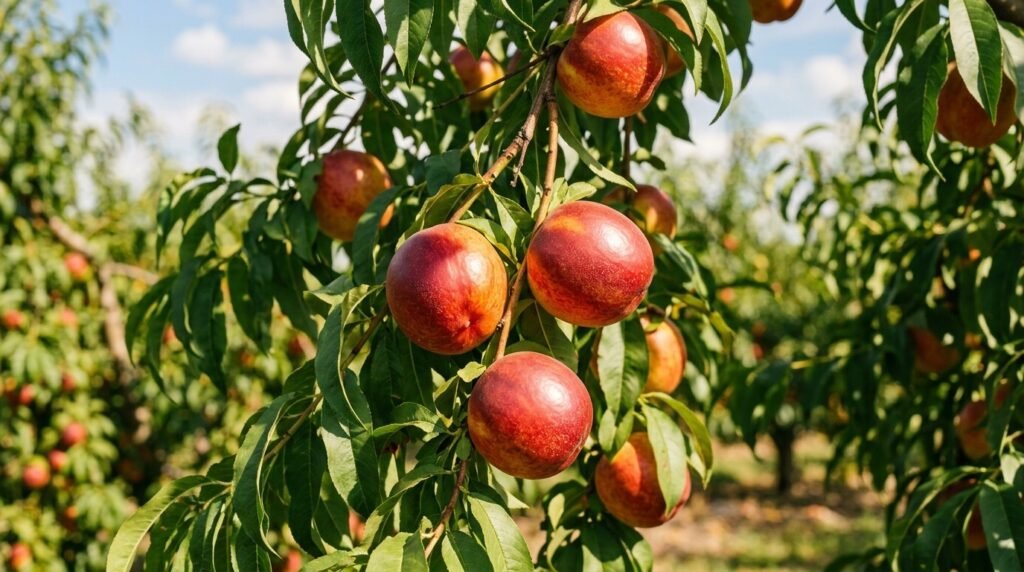
Nectarine is a smooth-skinned stone fruit closely related to the peach. It has juicy flesh and a sweet, refreshing flavor that can range from mildly tangy to very sweet. Nectarines are commonly eaten fresh and are also used in cooking and baking.
What Does Nectarine Taste Like?
- Sweet and Slightly Tangy Flavor
- Juicy and Firm Texture
Benefits of Nectarine
- Provides Vitamin C
- Contains Dietary Fiber
- Rich in Antioxidants
Common Uses of Nectarine
- Eaten Fresh
- Added to Fruit Salads
- Used in Smoothies and Juices
- Added to Desserts and Baked Foods
2. Navel Orange
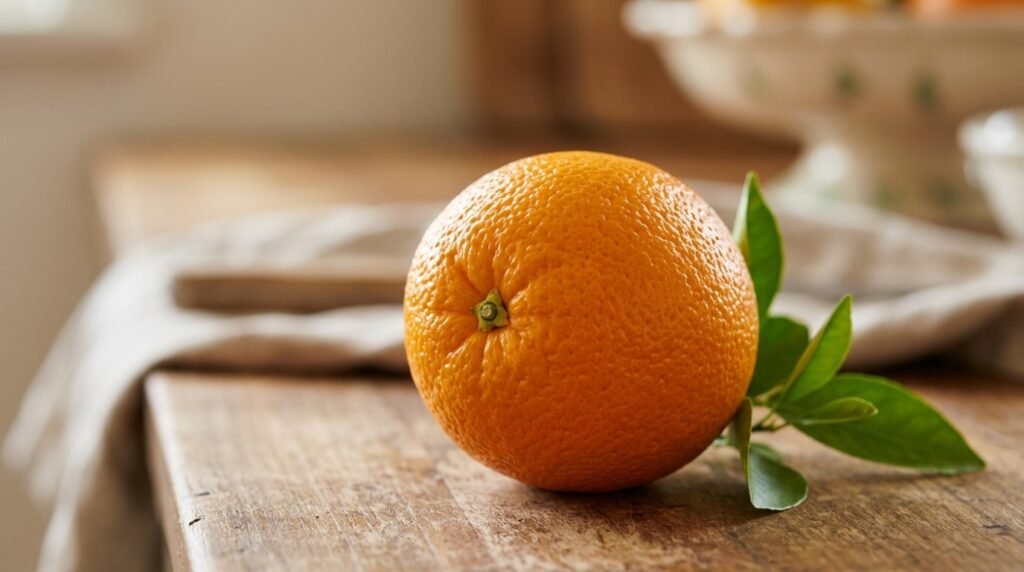
Navel Orange is a popular seedless citrus fruit known for its bright orange skin, juicy flesh, and naturally sweet flavor. It gets its name from the small, navel-like formation at the blossom end of the fruit. It is widely enjoyed as a fresh snack and is also commonly used in juices, salads, and desserts.
What Does Navel Orange Taste Like?
- Sweet and Refreshing Flavor
- Juicy and Slightly Tangy Texture
Benefits of Navel Orange
- Rich in Vitamin C
- Provides Dietary Fiber
- Contains Antioxidants
Common Uses of Navel Orange
- Eaten Fresh
- Used in Juices and Smoothies
- Added to Fruit Salads
- Used in Desserts and Baking
3. Nashi Pear
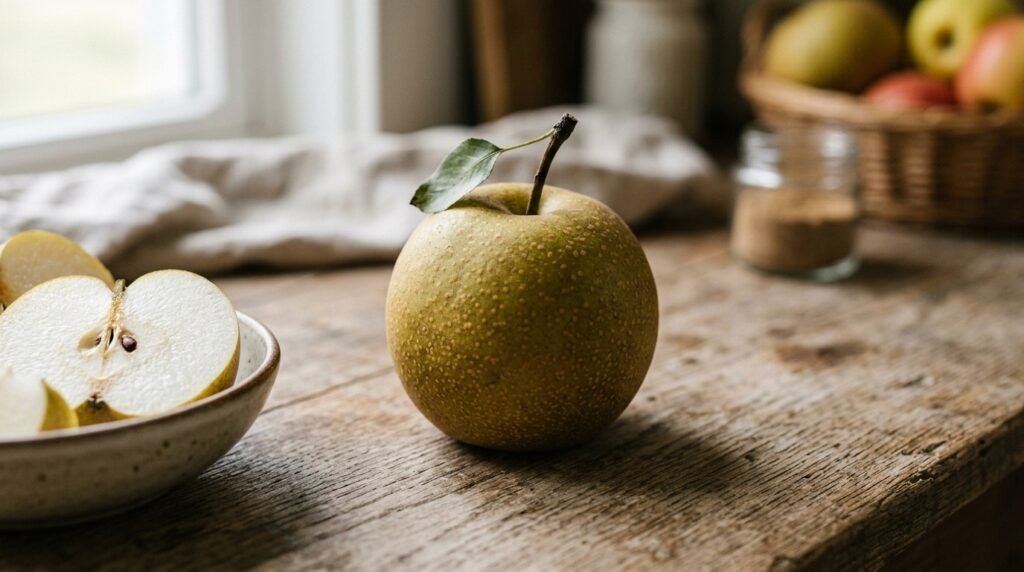
Nashi Pear, also called Asian Pear, is a round, crisp fruit known for its juicy texture and refreshing sweetness. Unlike many European pears, it stays firm and crunchy even when fully ripe. It is commonly eaten fresh and is also used in salads, desserts, and cooking.
What Does Nashi Pear Taste Like?
- Sweet and Refreshing Flavor
- Crisp and Juicy Texture
Benefits of Nashi Pear
- Provides Dietary Fiber
- Contains Vitamin C
- Rich in Antioxidants
Common Uses of Nashi Pear
- Eaten Fresh
- Added to Fruit Salads
- Used in Desserts
- Added to Smoothies and Juices
4. Noni
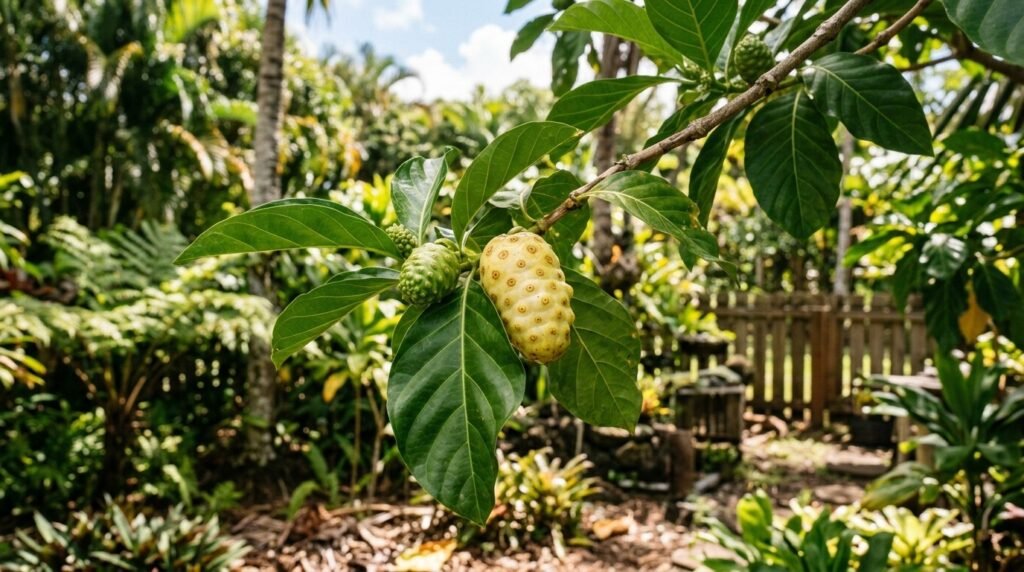
Noni is a tropical fruit known for its unusual appearance, strong aroma, and distinctive flavor. When ripe, it develops soft, pale flesh, and people in tropical regions traditionally consume it in various forms. Noni also provides nutritional compounds and holds an important place in traditional food and wellness practices.
What Does Noni Taste Like?
- Bitter and Sharp Flavor
- Soft and Pungent Texture
Benefits of Noni
- Contains Antioxidants
- Provides Vitamin C
- Contains Various Plant Compounds
Common Uses of Noni
- Consumed as Juice
- Eaten Fresh When Ripe
- Used in Traditional Preparations
- Added to Blended Drinks
5. Naranjilla
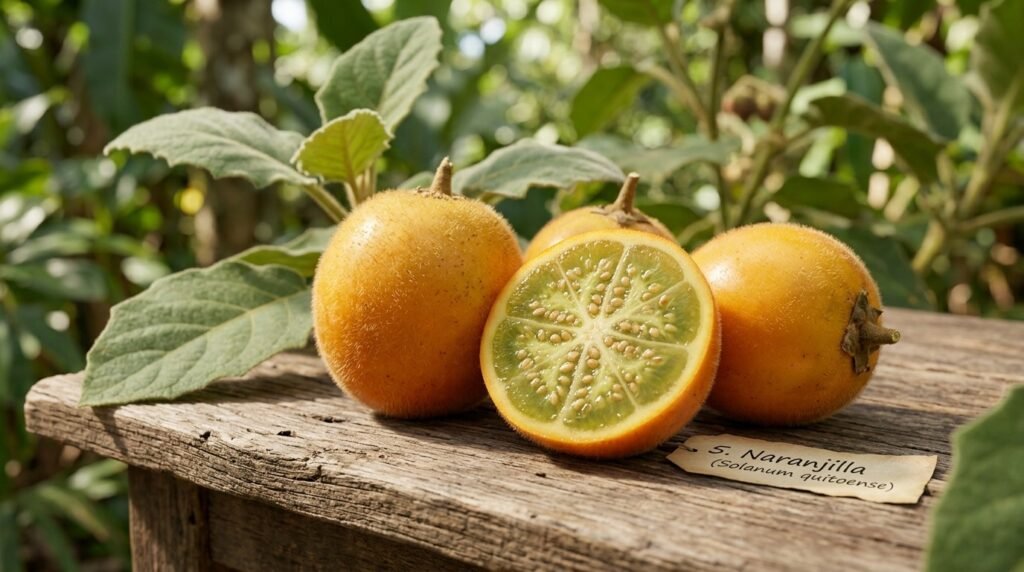
Naranjilla is a small, round tropical fruit native to northwestern South America. It has bright orange flesh with a refreshing, citrus-like flavor and is especially popular for making beverages. The fruit is also enjoyed for its vitamin and antioxidant content.
What Does Naranjilla Taste Like?
- Tart and Citrus-Like Flavor
- Juicy and Refreshing Texture
Benefits of Naranjilla
- Rich in Vitamin C
- Provides Dietary Fiber
- Contains Antioxidants
Common Uses of Naranjilla
- Used in Juices and Drinks
- Added to Smoothies
- Made Into Sauces and Desserts
- Consumed Fresh When Ripe
6. Nance
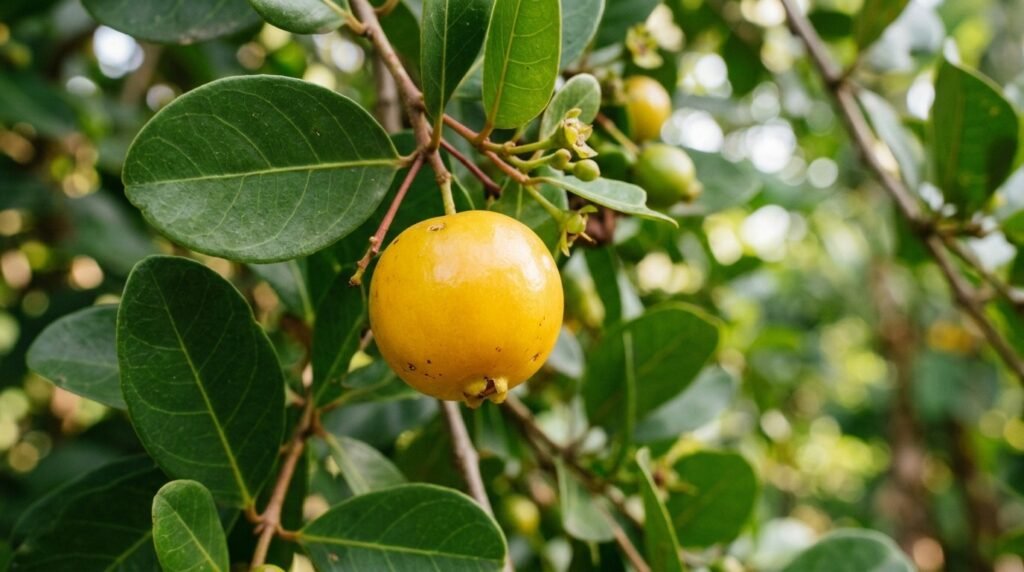
Nance is a small, round tropical fruit commonly found in Central and South America and the Caribbean. It has thin yellow to orange skin and soft, juicy flesh with a distinctive aroma and flavor. Nance is often enjoyed fresh or used in traditional drinks, desserts, and preserves.
What Does Nance Taste Like?
- Sweet and Tangy Flavor
- Soft and Juicy Texture
Benefits of Nance
- Provides Vitamin C
- Contains Dietary Fiber
- Offers Antioxidant Compounds
Common Uses of Nance
- Eaten Fresh
- Used in Juices and Drinks
- Made Into Jams and Preserves
- Added to Desserts and Traditional Dishes
7. Natal Plum
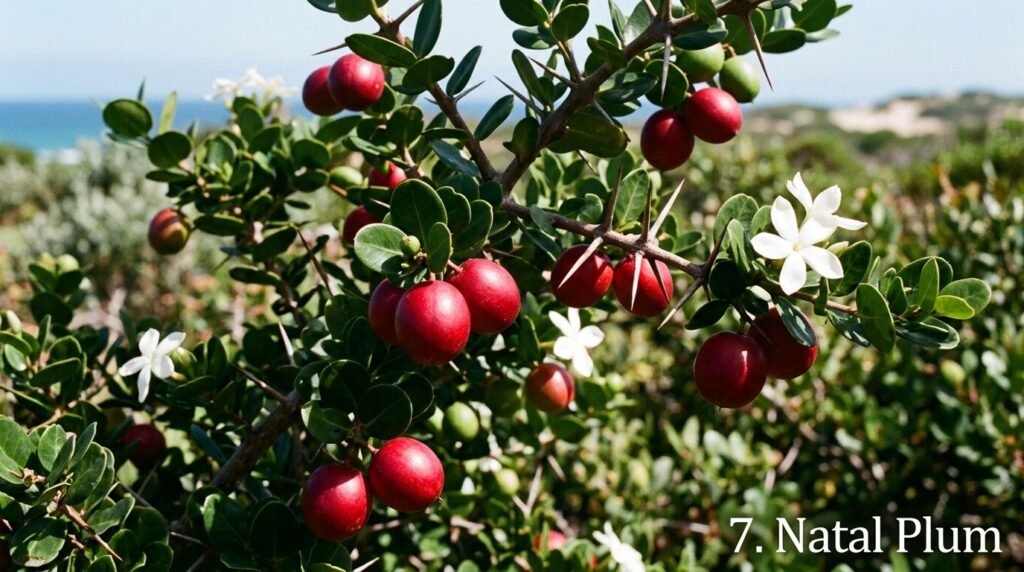
Natal Plum is a small tropical fruit native to southern Africa and known for its glossy appearance and bright red to purple color when ripe. It has juicy flesh with a distinctive sweet-tart flavor and is often grown as an ornamental plant as well as for its edible fruit. The ripe fruit can be enjoyed fresh or used in various recipes.
What Does Natal Plum Taste Like?
- Sweet and Tart Flavor
- Juicy and Soft Texture
Benefits of Natal Plum
- Provides Vitamin C
- Contains Dietary Fiber
- Offers Antioxidant Compounds
Common Uses of Natal Plum
- Eaten Fresh When Ripe
- Used in Jams and Jellies
- Added to Desserts
- Used in Sauces and Preserves
8. Nagami Kumquat
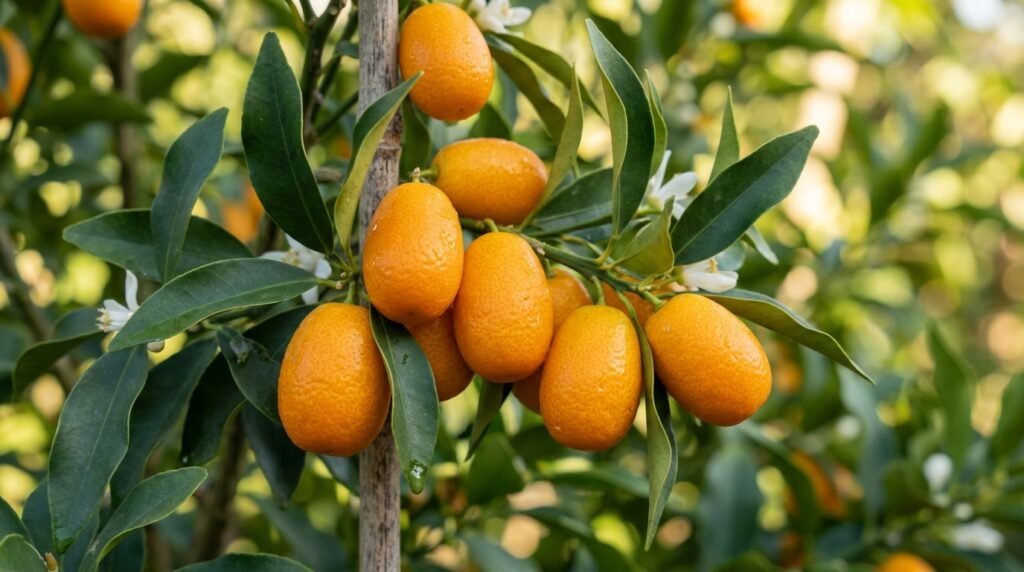
Nagami Kumquat is a small, oval-shaped citrus fruit known for its bright orange skin and distinctive sweet-tart flavor. Unlike many citrus fruits, the entire fruit, including the peel, can be eaten. It is commonly enjoyed fresh and used in preserves, desserts, drinks, and garnishes.
What Does Nagami Kumquat Taste Like?
- Sweet and Tart Flavor
- Juicy and Slightly Bitter Peel
Benefits of Nagami Kumquat
- Rich in Vitamin C
- Provides Dietary Fiber
- Contains Antioxidants
Common Uses of Nagami Kumquat
- Eaten Whole and Fresh
- Made Into Marmalades and Preserves
- Added to Desserts and Salads
- Used in Drinks and Garnishes
9. Niitaka Pear
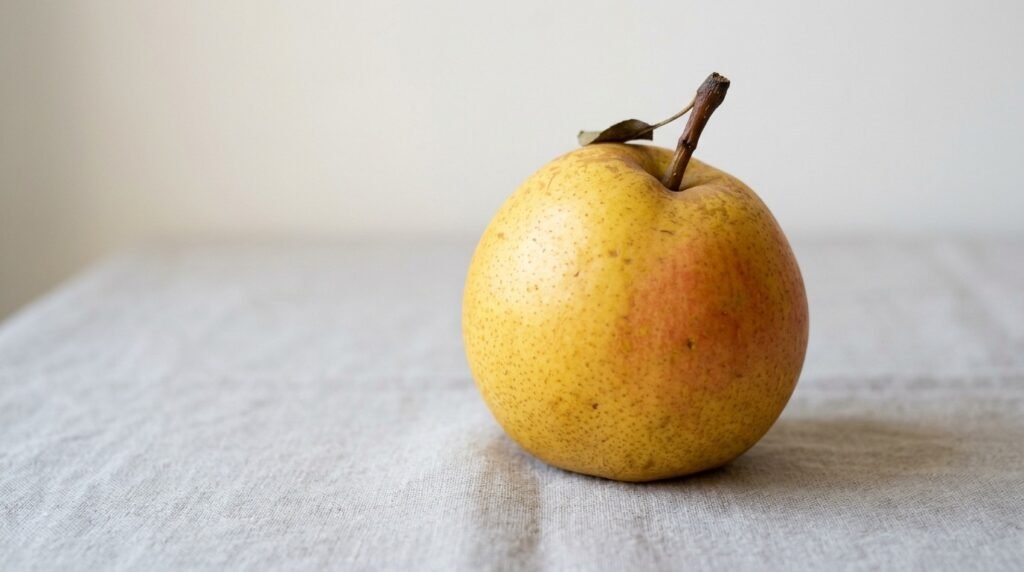
Niitaka Pear is a large Asian pear variety known for its round shape, crisp texture, and juicy flesh. It has a refreshing sweetness with a mild flavor and is often enjoyed fresh because of its crunchy bite. The fruit can also be used in salads, desserts, and beverages.
What Does Niitaka Pear Taste Like?
- Sweet and Mild Flavor
- Crisp and Juicy Texture
Benefits of Niitaka Pear
- Provides Dietary Fiber
- Contains Vitamin C
- Offers Antioxidant Compounds
Common Uses of Niitaka Pear
- Eaten Fresh
- Added to Fruit Salads
- Used in Desserts
- Blended Into Smoothies and Drinks
10. Nungu (Ice Apple)
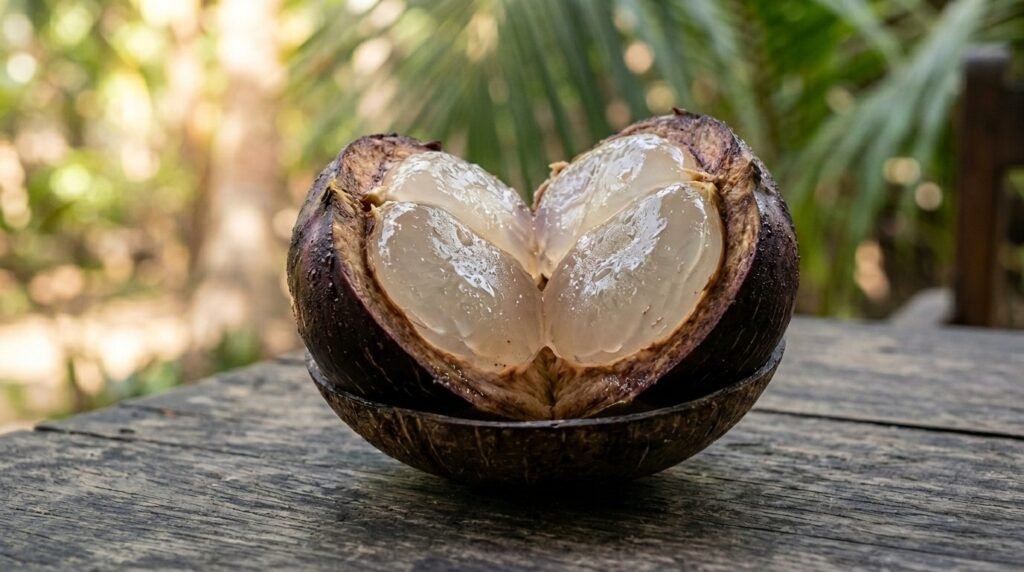
Nungu, also known as Ice Apple, is a tropical fruit from the palmyra palm, popular in South and Southeast Asia. It has a translucent, jelly-like flesh filled with refreshing natural juice and is especially enjoyed during hot weather. The fruit is commonly eaten fresh and used in cooling drinks and desserts.
What Does Nungu (Ice Apple) Taste Like?
- Mildly Sweet and Refreshing Flavor
- Soft, Jelly-Like and Juicy Texture
Benefits of Nungu (Ice Apple)
- Provides Natural Hydration
- Contains Essential Minerals
- Provides Some Dietary Fiber
Common Uses of Nungu (Ice Apple)
- Eaten Fresh
- Added to Cooling Drinks
- Used in Desserts and Ice Cream
- Added to Traditional Summer Preparations
11. Nutmeg Fruit
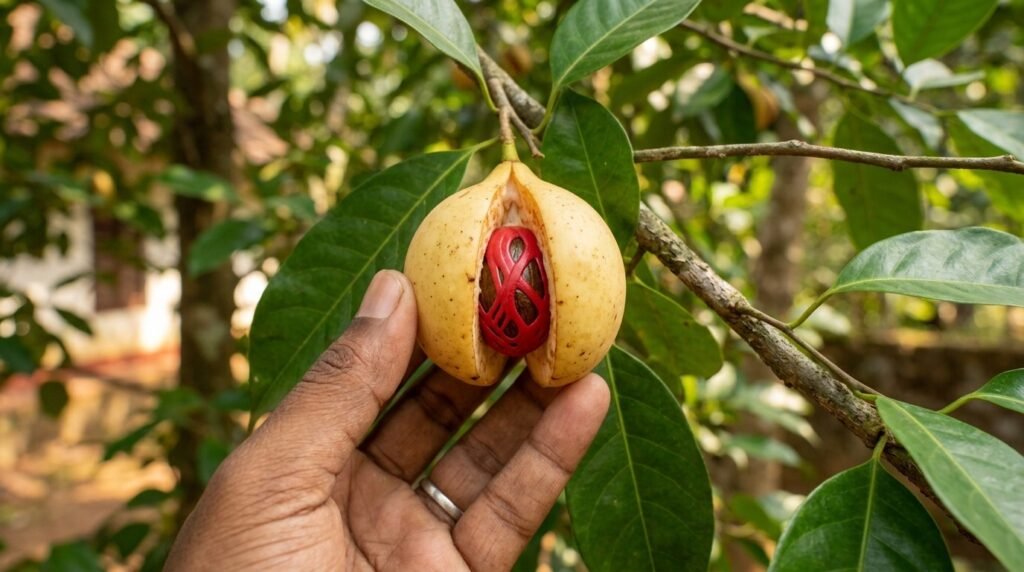
Nutmeg fruit is the fleshy, peach-like fruit that surrounds the nutmeg seed, which comes from the nutmeg tree. When ripe, the fruit splits open to reveal the seed covered by a bright red aril called mace. The fruit itself has a mildly sweet, aromatic flavor and is used in several culinary preparations.
What Does Nutmeg Fruit Taste Like?
- Mildly Sweet and Aromatic Flavor
- Soft and Juicy Texture
Benefits of Nutmeg Fruit
- Contains Antioxidant Compounds
- Provides Dietary Fiber
- Contains Various Plant Nutrients
Common Uses of Nutmeg Fruit
- Eaten Fresh When Ripe
- Made Into Jams and Jellies
- Used in Juices and Beverages
- Added to Traditional Preparations
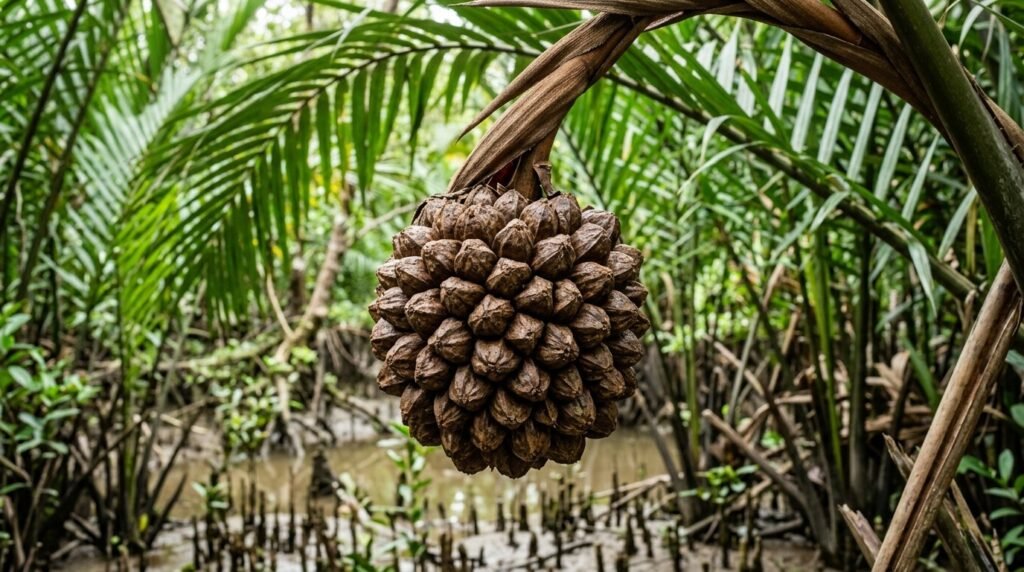
12. Nipa Palm Fruit
Nipa Palm Fruit is a tropical fruit produced by the nipa palm, which grows naturally in coastal wetlands and mangrove areas of Southeast Asia and nearby regions. Its young seeds have a soft, translucent texture and a mildly sweet, refreshing taste. The fruit is commonly enjoyed in drinks, desserts, and traditional sweet preparations.
What Does Nipa Palm Fruit Taste Like?
- Mildly Sweet and Refreshing Flavor
- Soft and Jelly-Like Texture
Benefits of Nipa Palm Fruit
- Provides Dietary Fiber
- Contains Natural Sugars
- Provides Some Minerals
Common Uses of Nipa Palm Fruit
- Eaten Fresh
- Added to Desserts
- Used in Sweet Drinks
- Added to Traditional Southeast Asian Preparations
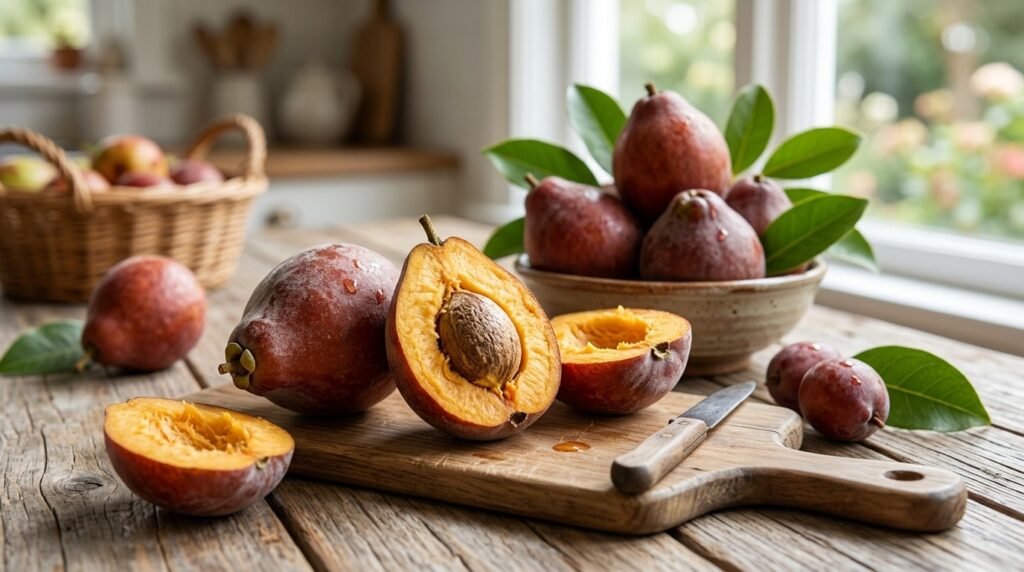
13. Nonda Plum
Nonda Plum is a tropical fruit associated with northern Australia and nearby regions. It produces small, fleshy fruits that develop a reddish to purplish color when ripe and have a distinctive sweet-tart flavor. The fruit can be eaten fresh or incorporated into traditional food preparations.
What Does Nonda Plum Taste Like?
- Sweet and Tart Flavor
- Soft and Juicy Texture
Benefits of Nonda Plum
- Contains Antioxidants
- Provides Dietary Fiber
- Contains Vitamin C
Common Uses of Nonda Plum
- Eaten Fresh When Ripe
- Used in Jams and Preserves
- Added to Desserts
- Used in Traditional Food Preparations
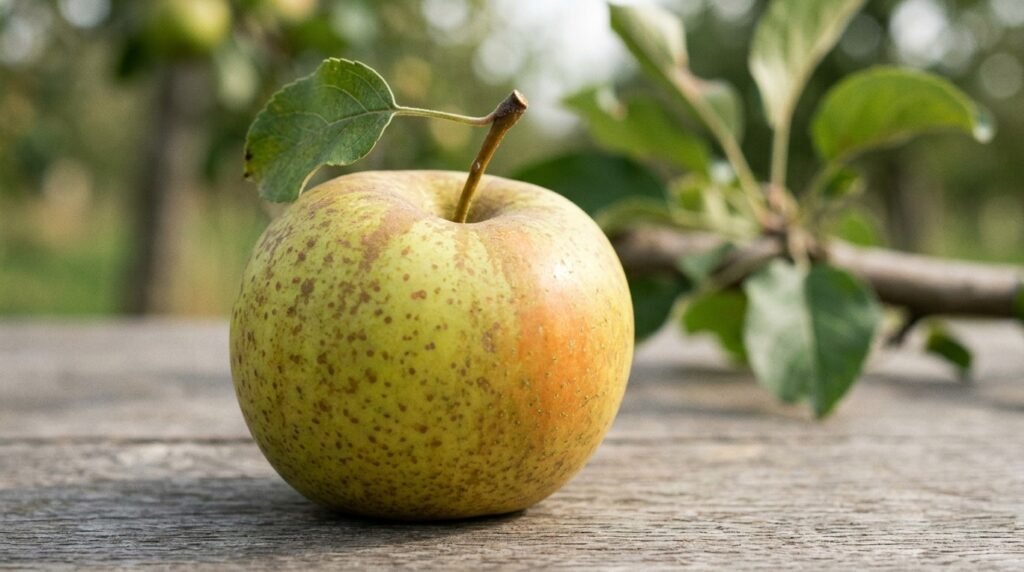
14. Newtown Pippin Apple
Newtown Pippin is a historic American apple variety known for its firm flesh, green to yellow skin, and distinctive aromatic flavor. It develops a richer, more complex taste after storage and is valued as both an eating and cooking apple. The fruit is also known for its crisp texture and good keeping quality.
What Does Newtown Pippin Apple Taste Like?
- Sweet, Tart, and Aromatic Flavor
- Firm and Crisp Texture
Benefits of Newtown Pippin Apple
- Provides Dietary Fiber
- Contains Vitamin C
- Offers Antioxidant Compounds
Common Uses of Newtown Pippin Apple
- Eaten Fresh
- Used in Pies and Baked Desserts
- Made Into Applesauce
- Used for Cider and Other Apple Preparations
Interesting Facts About Fruits Starting N
Fruits starting with N include a diverse range of varieties found in different regions and climates around the world. They can differ greatly in size, color, taste, texture, and nutritional value, with many providing vitamins, minerals, fiber, antioxidants, and natural plant compounds
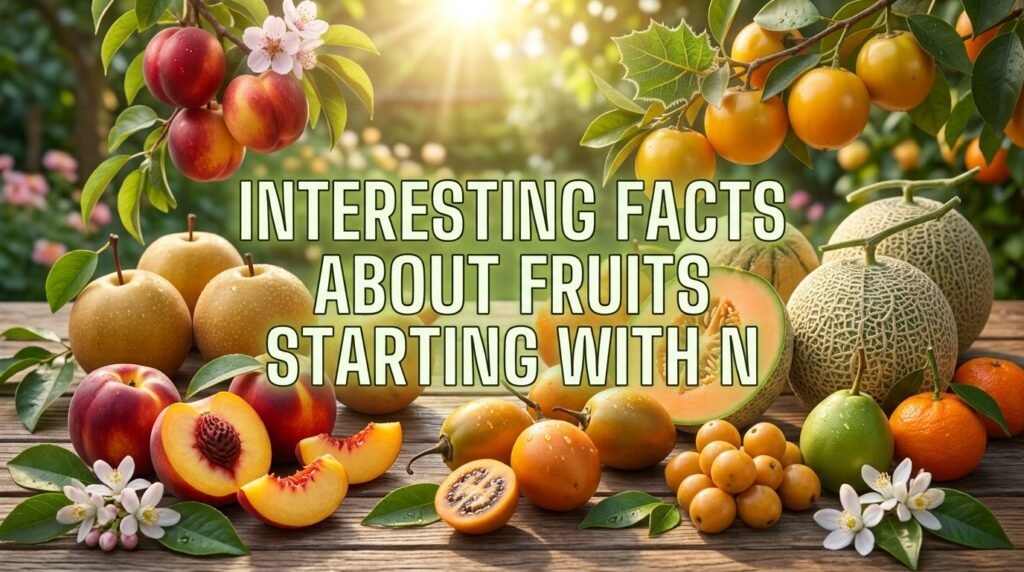
- Fruits starting with N include both familiar and lesser-known varieties from different parts of the world.
- Many of these fruits grow in tropical and subtropical climates, although some can thrive in other environments.
- They come in a wide range of flavors, colors, shapes, and textures.
- Many N fruits provide nutrients such as vitamins, minerals, fiber, and natural carbohydrates.
- Some contain naturally occurring antioxidants and other beneficial plant compounds.
- Different N fruits reflect the cultures, farming traditions, and food habits of the regions where people grow them.
- People commonly enjoy some varieties fresh, while they process or cook others.
- You can use N fruits in juices, smoothies, desserts, jams, sauces, and traditional recipes.
- Exploring these fruits can introduce you to uncommon and exotic foods that may not be available in regular grocery stores.
- The variety of N fruits highlights the amazing diversity of edible fruits around the world.
Important Educational Facts About Fruits Starting With N
Learning about fruits starting N can help expand your knowledge of nutrition and plant diversity. Fruits generally contribute fiber and micronutrients to a balanced diet, while many colorful fruits contain naturally occurring plant compounds with antioxidant properties. The nutritional value of each fruit can vary considerably depending on its species, ripeness, growing conditions, and preparation method. It is also useful to understand that a fruit’s name does not necessarily indicate its nutritional profile. Some fruits may be especially rich in vitamin C, while others can provide useful amounts of fiber, potassium, or other nutrients. Trying a variety of fruits can make meals more interesting while helping you consume a broader range of naturally occurring nutrients.
Frequently Asked Questions
What fruits starting n?
There are several fruits whose common names begin with N, including both well-known and unusual varieties. They come from different regions and can have very different flavors, appearances, and culinary uses.
Are fruits starting with N healthy?
Many fruits starting with N can be part of a healthy, balanced diet. Like other fruits, their nutritional benefits depend on the specific variety and serving size, but they can provide fiber, vitamins, minerals, and other naturally occurring plant compounds.
Are N fruits available all year?
Not necessarily. Fruit availability depends on the variety, growing region, climate, and season. Some fruits may be available fresh only during particular times of the year, while others can be found frozen, dried, canned, or preserved.
Which N fruit is the most unusual?
Some lesser-known fruits beginning with N may seem unusual because they grow mainly in specific tropical or subtropical regions and rarely appear in international markets. Their distinctive appearance, flavor, and texture make them interesting fruits to explore.
Can children eat fruits starting N?
Most fruits can be included in a child’s diet when prepared appropriately for their age and eating abilities. Parents should introduce unfamiliar fruits carefully and be aware of potential allergies or choking risks.
Can N fruits be used in recipes?
Yes. Depending on the variety, you can eat fruits beginning with N fresh or add them to smoothies, salads, desserts, jams, sauces, juices, and other recipes.
Final Thoughts
Exploring fruits starting N reveals how diverse and fascinating the natural world can be. From juicy citrus fruits like navel oranges to tropical varieties like naranjilla and noni, each fruit offers unique flavors and nutritional benefits.
Adding different fruits to your diet can help provide essential nutrients while making meals more colorful and enjoyable. These amazing Fruits starting n show that even a single letter can open the door to a world of natural discoveries.