A group of Pennsylvania House members wants to bring skill games under state rules and send most of the money to roads and emergency services. The idea sits in a co-sponsorship memo dated September 30. No bill has been introduced yet. It lands at a tense moment, because the state Supreme Court ruled in June that skill games count as slot machines.
Skill games and licensed gaming
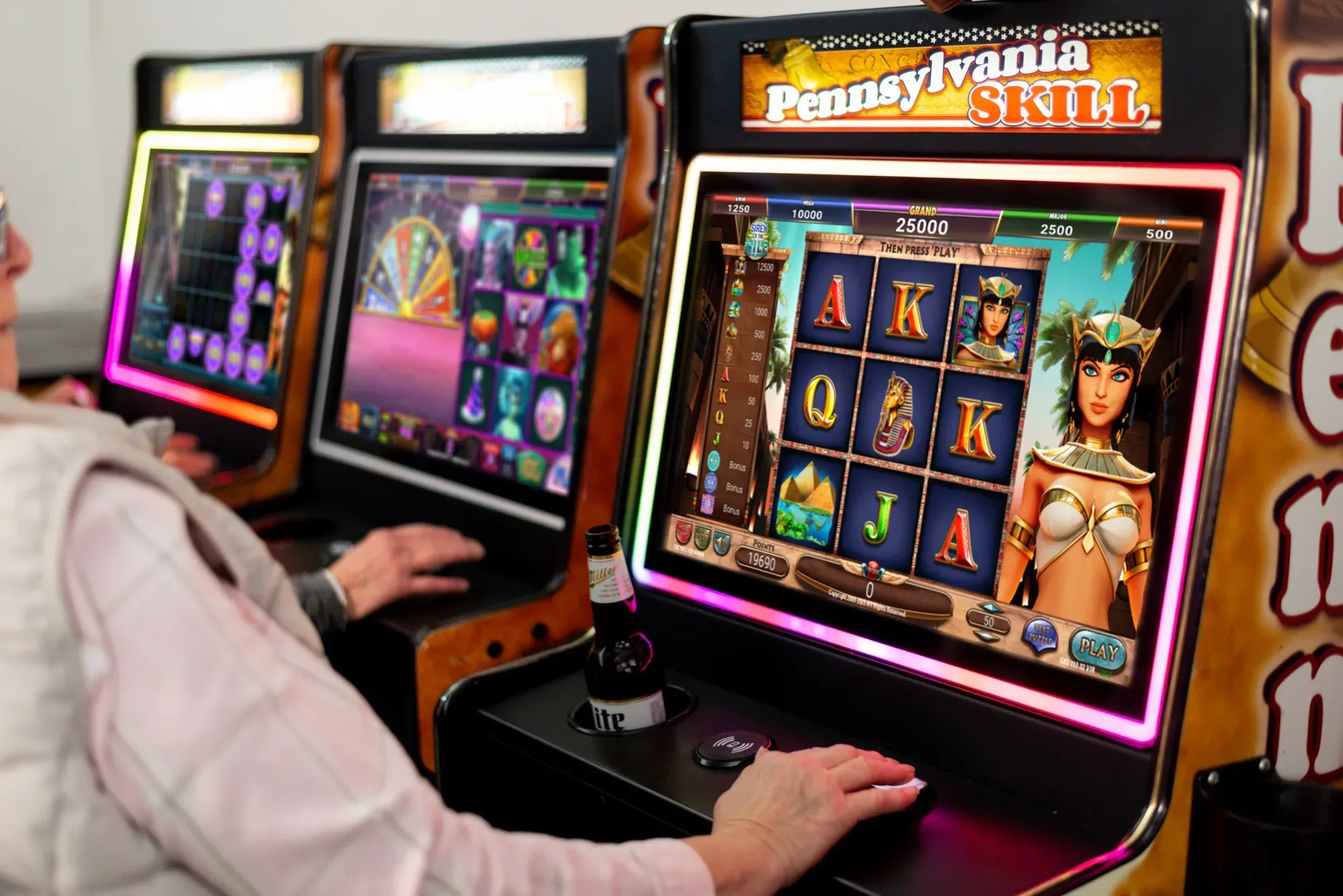
Walk into a corner bar in Pennsylvania, and there may be a skill game by the pool table. Pick up a phone, and a Pennsylvania online casino is a few taps away. One of them answers to the Pennsylvania Gaming Control Board (PGCB). It holds a license, runs games that were tested first, checks that the player is 21, and pays tax on its revenue.
The machine by the pool table has sat outside that system for years, and the proposal is meant to close that gap. Truck-stop video gaming terminals already follow similar rules, with testing before use and monitoring by trained, permitted employees, which is why the memo builds on them.
Skill games and the court ruling
On June 15, the state Supreme Court ruled that skill games qualify as slot machines under Pennsylvania’s Gaming Act. Operators had called them games of skill for years. The court disagreed. Hosts of the machines were put on notice. The State Police followed with a reminder on October 5.
Businesses hosting unlicensed skill games had until October 13 to comply, and criminal prosecution and immediate seizure of unlicensed machines were set to begin October 14. The memo doesn’t change that deadline. It is a separate effort, aimed at what the rules could look like later.
What the memo proposes
Rep. Danilo Burgos and six other House members from both parties put their names on the memo. The memo is short and leaves most of the detail for later drafting. It would regulate skill games and expand truck-stop video gaming terminals. Each terminal would pay a $500 monthly fee.
Of the money raised, 84% goes to roads, bridges, and public transportation. The remaining 15% goes to fire and emergency medical services and 1% to administration. An earlier bill, House Bill 2213, used the same $500 fee and a statewide cap of 50,000 terminals. That bill went to the House Gaming Oversight Committee in February and hasn’t moved since. The memo doesn’t say whether the cap would carry over.
Fire and EMS funding
The 15% for fire and EMS is a small slice next to transportation, but a lot of volunteer companies could use it. Picture a rural fire company running a bingo night to pay for a new hose, while the ambulance service next door depends on donations.
Emergency medical services are one piece of healthcare in the US that many people only think about when they need an ambulance, and in small towns they often run on tight budgets. The sponsors also say the plan would preserve supplemental income for veterans’ organizations, volunteer fire companies, and small businesses that host skill games. A veterans’ post with a few machines in the back room might use that income to cover hall rent and holiday dinners.
Rules for operators and players
The memo calls for licensing, machine testing, central monitoring, surveillance, independent audits, and enforcement against illegal machines. Players would need to be 21, with age verification and a self-exclusion option, which lets a player ask to be kept out. Licensed casinos already offer that.
What it leaves open is who would run the oversight. It doesn’t spell out how the Pennsylvania Gaming Control Board would handle an expansion, and it isn’t clear yet what those privy to the board expect. Truck-stop terminals already follow board rules, which gives lawmakers a template to work from.
What comes next
No bill exists yet, so nothing is scheduled. A sponsor has to introduce legislation first, and then it would go to committee. Any new rules would also have to fit around the June ruling. Until a bill moves, the ruling and enforcement dates are what shape things for the businesses hosting machines. A veterans’ hall that kept a few terminals for years may have to decide now whether to keep them.