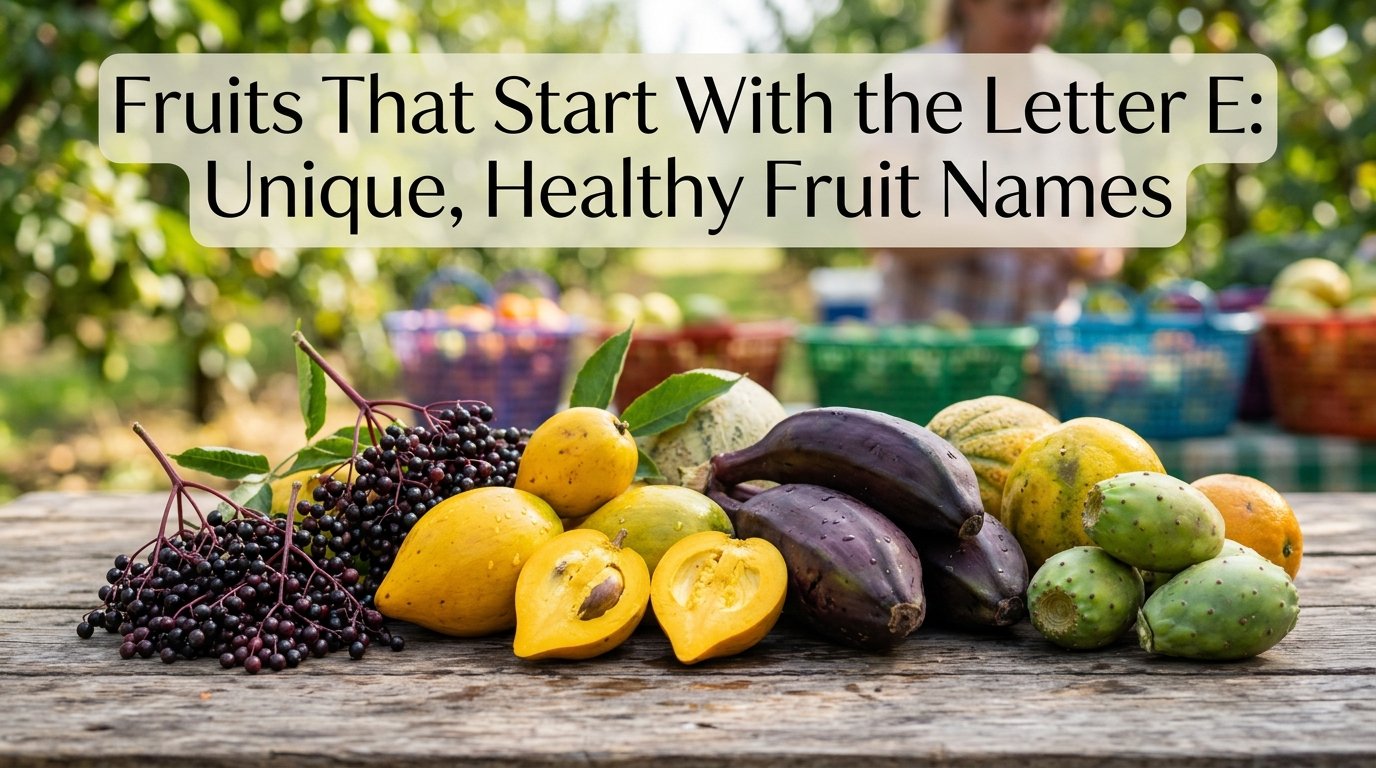
Exploring different fruit names is a fun way to discover the variety, nutrition, and natural beauty of plants around the world. The list of fruits that start with the letter E includes both familiar and rare varieties, from everyday favorites to unique tropical fruits that many people may not know. Some are rich in vitamins, some provide antioxidants, and others are valued for their fiber content and natural energy. Learning about these fruits can also help students, food lovers, and curious readers expand their knowledge of global foods.
In this guide, we will explore fruits that start with the letter E, along with their key benefits and interesting facts. Each fruit offers something special, showing how nature provides a wide range of healthy and delicious choices.
Fruits That Start With E: Taste, Benefits, and Common Uses
Fruits that start with the letter E offer a variety of flavors, textures, colors, and nutritional benefits. They can range from sweet and juicy options to tart and refreshing choices, making them suitable for different tastes and recipes. Many fruits provide important vitamins, minerals, fiber, and antioxidants, while people enjoy their versatility by eating them fresh, blending them into drinks, adding them to desserts, or using them in salads and other dishes.
1. Elderberry
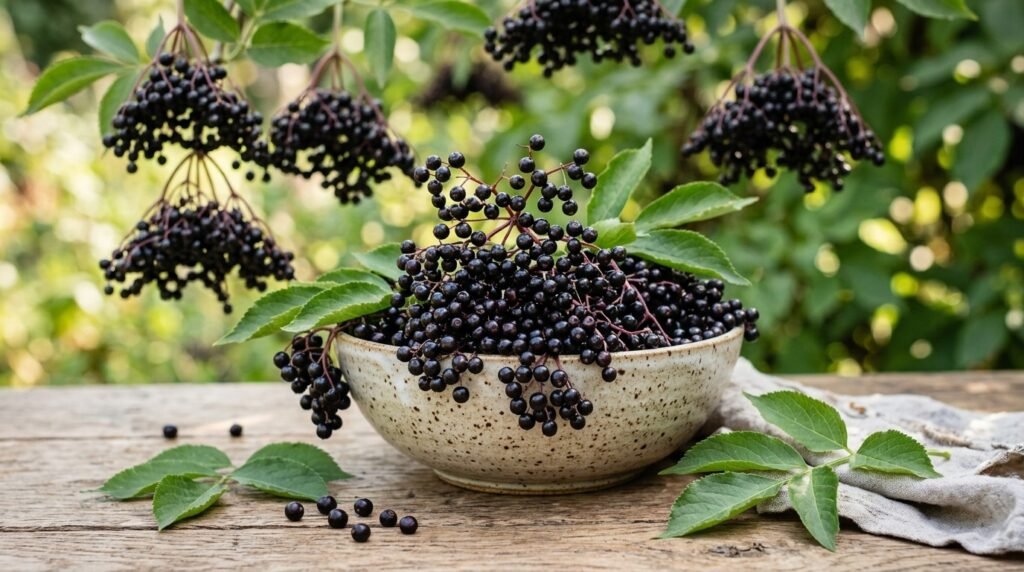
Elderberry is a small, dark purple to black berry that grows on shrubs from the Sambucus genus, especially Sambucus nigra (European elderberry). Many fruits provide important vitamins, minerals, fiber, and antioxidants, and people enjoy them in many ways, including fresh, blended into drinks, added to desserts, or used in salads and other dishes.
What Does Elderberry Taste Like?
Elderberries have a tart, tangy flavor with earthy notes. Because they are not very sweet when fresh, they are commonly used in jams, jellies, wines, pies, syrups, and teas. Cooked elderberries pair well with honey, citrus fruits, and other berries.
Nutritional Benefits of Elderberry
- Vitamin C
- Dietary fiber
- Antioxidants, especially anthocyanins
- Plant compounds that help protect cells from oxidative stress
These nutrients make elderberries a popular ingredient in wellness products and immune-support supplements.
Common Uses of Elderberry
- Elderberry syrup
- Herbal tea
- Jams and jellies
- Wine and beverages
- Baked goods
- Dietary supplements
2. Ethiopian Banana
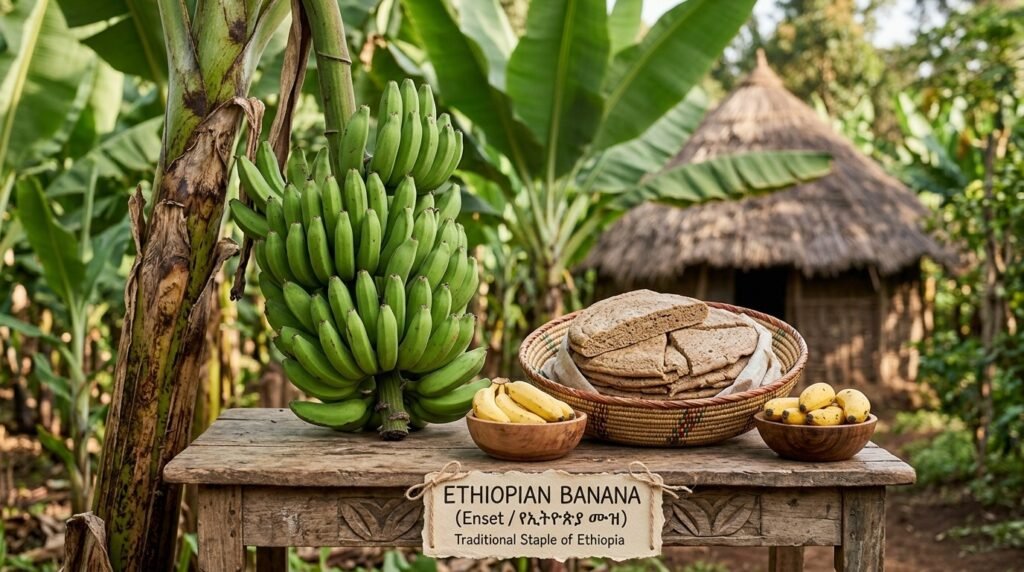
Ethiopian banana varieties are cultivated in Ethiopia and nearby regions. They are an important food crop in many communities.
What Does Ethiopian Banana Taste Like?
- Sweetness and Flavor Profile
- Texture and Ripeness
Benefits of Ethiopian Banana
- Rich in Essential Nutrients
- Supports Energy
- Provides Dietary Fiber
- Contains Important Minerals
Common Uses of Ethiopian Banana
- Eating Fresh
- Cooking and Traditional Dishes
- Smoothies and Drinks
- Desserts and Baked Foods
3. Emu Apple
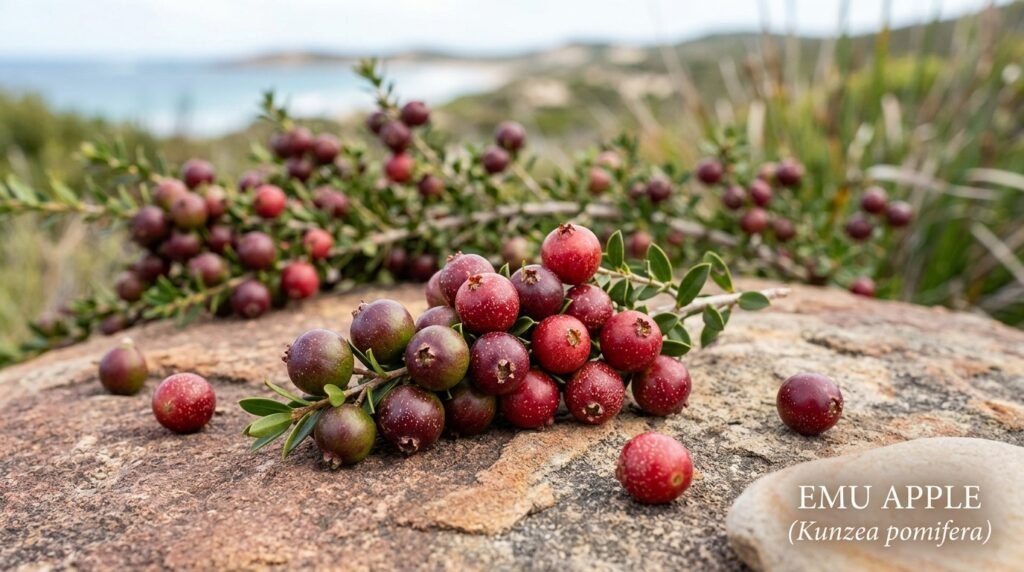
Emu Apple is a small native Australian fruit recognized for its bright color and attractive appearance. It grows on a hardy shrub and has long been appreciated as a traditional bush food. People often enjoy it fresh, while others use it in jams, sauces, beverages, and various culinary creations.
Taste of Emu Apple
- Sweet and Tangy Flavor
- Texture and Ripeness
Benefits of Emu Apple
- Rich in Antioxidants
- Source of Vitamins and Minerals
- Supports Overall Nutrition
Common Uses of Emu Apple
- Eating Fresh
- Jams and Preserves
- Sauces and Desserts
4. Entawak
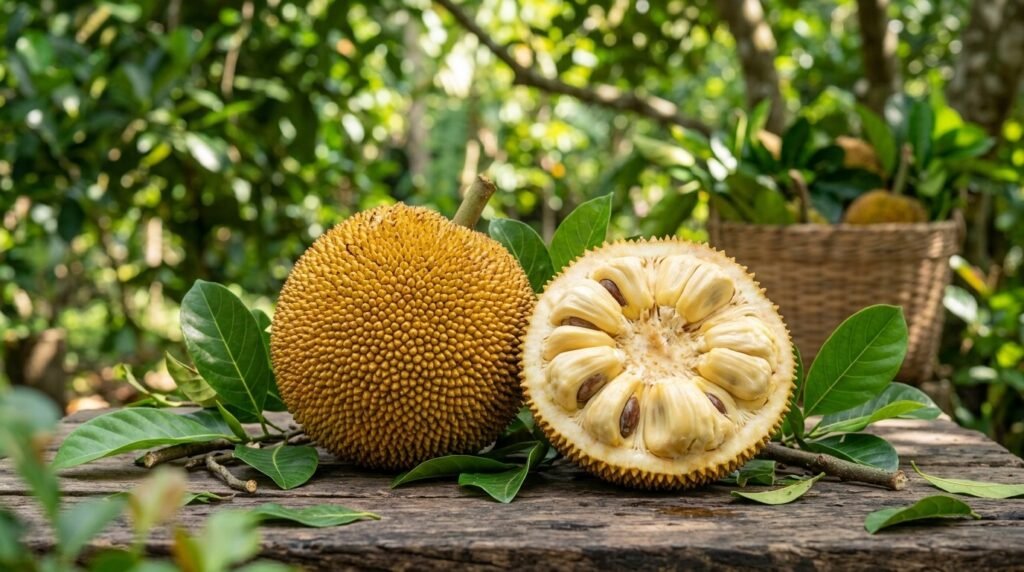
Entawak is a tropical fruit recognized for its unique appearance, creamy texture, and mildly sweet taste. People commonly enjoy it fresh, but they also use it in desserts, beverages, and various traditional dishes throughout Southeast Asia. Its nutritional value and culinary versatility make it a popular choice in regions where it is grown.
What Does Entawak Taste Like?
- Sweet and Mild Flavor
- Creamy and Soft Texture
Benefits of Entawak
- Rich in Nutrients
- Supports Digestive Health
- Provides Natural Energy
Common Uses of Entawak
- Eaten Fresh
- Used in Desserts
- Added to Drinks and Smoothies
5. Evergreen Huckleberry
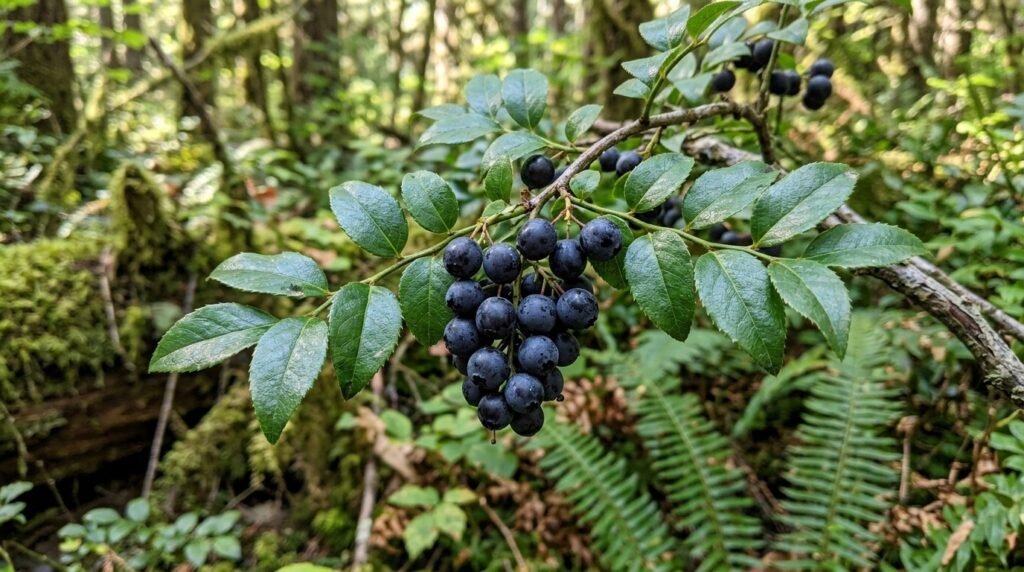
Evergreen Huckleberry is a small, dark-colored berry native to the Pacific Northwest of North America. It has a firm texture and a distinctive sweet-tart flavor that makes it popular for fresh eating and cooking. The berries are also valued for their nutritional content and versatility in different recipes.
What Does Evergreen Huckleberry Taste Like?
- Sweet and Tart Flavor
- Firm and Juicy Texture
Benefits of Evergreen Huckleberry
- Rich in Antioxidants
- Provides Dietary Fiber
- Contains Essential Vitamins
Common Uses of Evergreen Huckleberry
- Eaten Fresh
- Used in Jams and Jellies
- Added to Pies and Desserts
14. Ecuadorian Guava
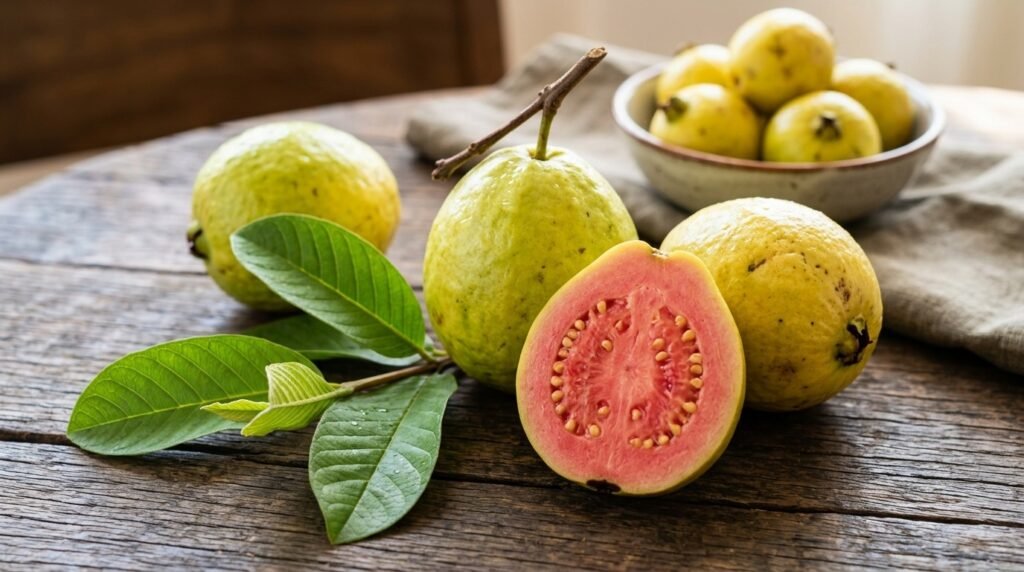
Ecuadorian Guava is a tropical fruit appreciated for its fragrant aroma, juicy texture, and naturally sweet taste. People often enjoy it fresh, while also using it in juices, smoothies, desserts, and a variety of traditional recipes. Its fiber, vitamin C, and other beneficial nutrients make it a flavorful and nutritious addition to many diets.
What Does Ecuadorian Guava Taste Like?
- Sweet and Fragrant Flavor
- Soft and Juicy Texture
Benefits of Ecuadorian Guava
- Rich in Vitamin C
- Provides Dietary Fiber
- Contains Antioxidants
Common Uses of Ecuadorian Guava
- Eaten Fresh
- Used in Juices and Smoothies
- Made Into Jams and Jellies
- Added to Desserts and Sauces
7. Emblic (Indian Gooseberry)
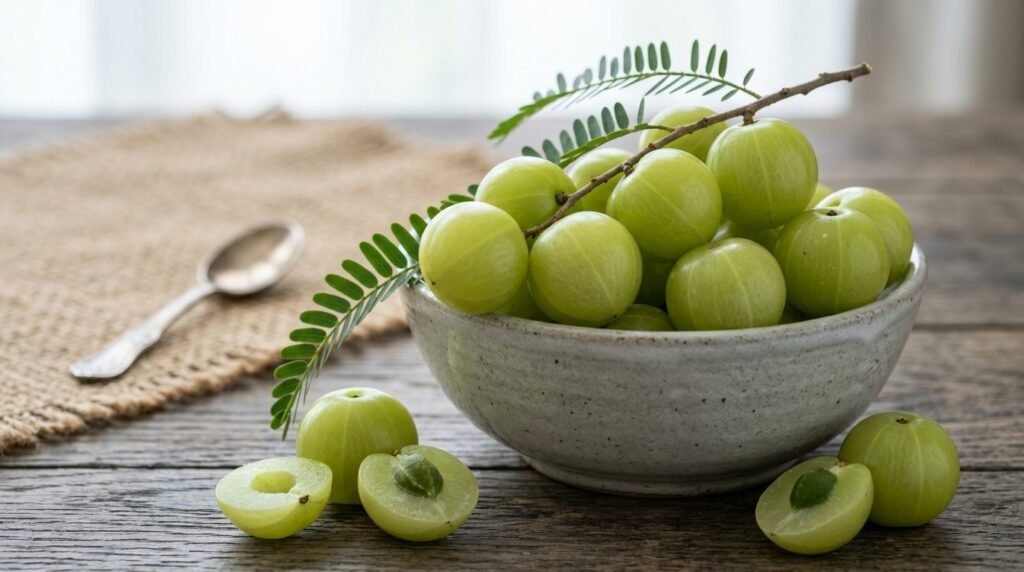
Emblic, also known as Indian Gooseberry or amla, is a small green fruit widely used in South Asian food and traditional preparations. It has a firm, juicy texture and a distinctive combination of sour, bitter, and slightly astringent flavors. The fruit is also valued for its vitamin C and antioxidant content.
What Does Emblic (Indian Gooseberry) Taste Like?
- Sour and Tangy Flavor
- Firm and Juicy Texture
Benefits of Emblic (Indian Gooseberry)
- Rich in Vitamin C
- Contains Antioxidants
- Provides Dietary Fiber
Common Uses of Emblic (Indian Gooseberry)
- Eaten Fresh or Raw
- Used in Pickles and Chutneys
- Made Into Juices and Drinks
- Used in Jams and Preserves
8. Etrog (Citron)
Etrog, also known as citron, is a fragrant citrus fruit with a thick, textured rind and relatively little juicy flesh. It has a distinctive aroma and is known for its sharp, bitter-sour flavor. The fruit is mainly valued for its peel and is used in culinary, traditional, and cultural preparations.
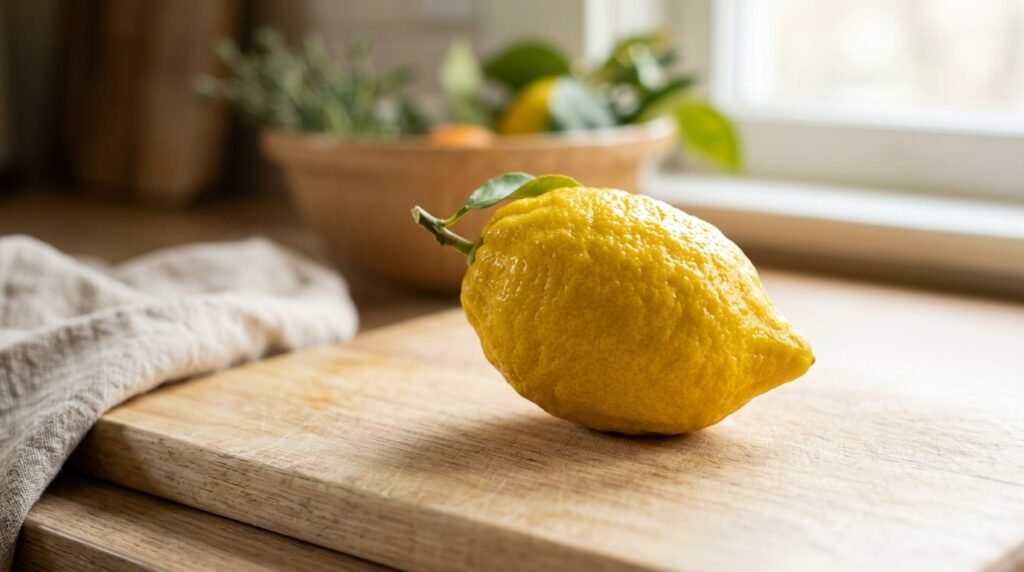
What Does Etrog (Citron) Taste Like?
- Bitter and Sour Flavor
- Fragrant and Thick Rind
Benefits of Etrog (Citron)
- Contains Vitamin C
- Provides Antioxidants
- Source of Dietary Fiber
Common Uses of Etrog (Citron)
- Used in Candied Peel
- Added to Jams and Preserves
- Used for Flavoring
- Used in Traditional and Cultural Practices
9. Early Amber Plum
Early Amber Plum is an early-season plum variety known for its attractive amber-yellow skin and sweet, juicy flesh. It has a pleasant flavor that makes it suitable for eating fresh or using in a variety of recipes. Its soft texture and natural sweetness make it a popular choice for summer fruit dishes.
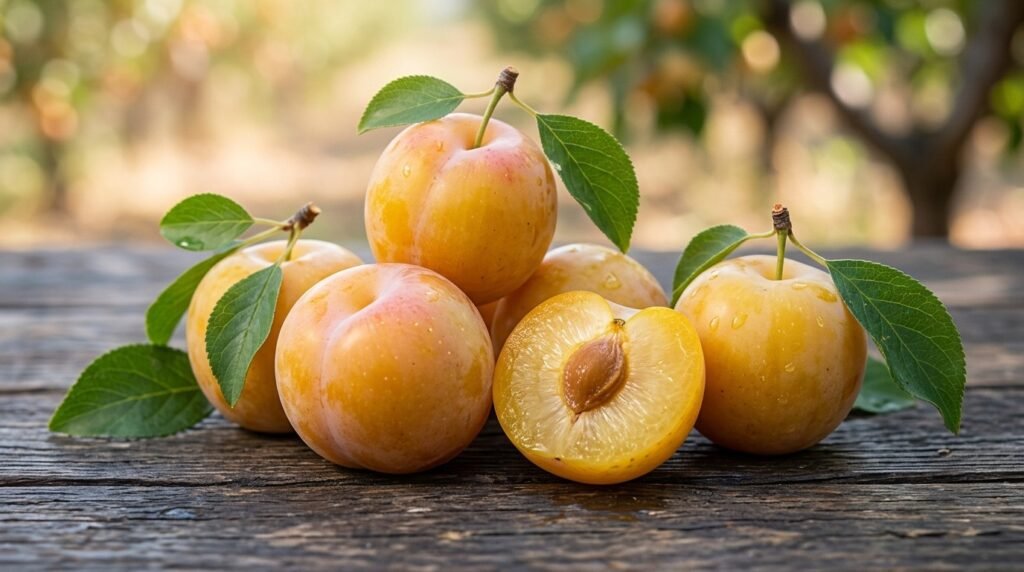
What Does Early Amber Plum Taste Like?
- Sweet and Mild Flavor
- Juicy and Tender Texture
Benefits of Early Amber Plum
- Provides Vitamin C
- Contains Dietary Fiber
- Offers Antioxidants
Common Uses of Early Amber Plum
- Eaten Fresh
- Used in Jams and Preserves
- Added to Pies and Desserts
- Used in Sauces and Fruit Dishes
10. Egyptian Fig
Egyptian Fig is a sweet, soft fruit known for its tender skin, juicy flesh, and naturally rich flavor. It can be enjoyed fresh when ripe or dried for longer storage and a more concentrated sweetness. Figs also provide useful nutrients such as fiber, potassium, and natural sugars.
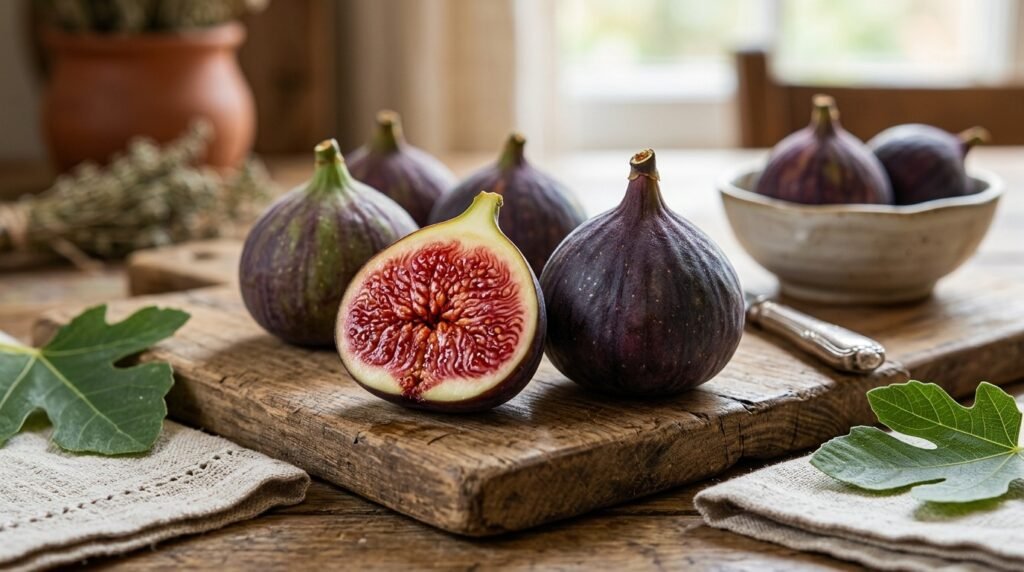
What Does Egyptian Fig Taste Like?
- Sweet and Honey-Like Flavor
- Soft and Juicy Texture
Benefits of Egyptian Fig
- Rich in Dietary Fiber
- Provides Essential Minerals
- Contains Antioxidants
Common Uses of Egyptian Fig
- Eaten Fresh
- Used in Dried Form
- Added to Desserts and Baked Foods
- Made Into Jams and Preserves
11. European Cranberry
European Cranberry is a small red berry recognized for its bright color and naturally tangy flavor. It grows primarily in the cooler regions of Europe, where people enjoy it fresh, cooked, dried, or preserved in various recipes. The berry also contains fiber, vitamins, and antioxidant compounds that contribute to its nutritional value.
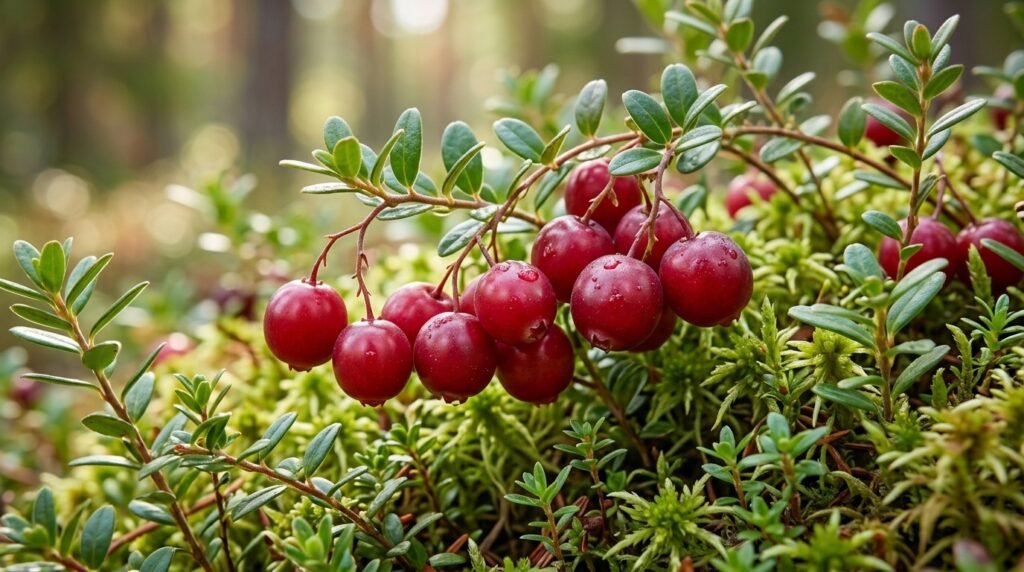
What Does European Cranberry Taste Like?
- Tart and Slightly Bitter Flavor
- Juicy and Firm Texture
Benefits of European Cranberry
- Contains Antioxidants
- Provides Dietary Fiber
- Supplies Vitamin C
Common Uses of European Cranberry
- Eaten Fresh
- Used in Jams and Preserves
- Added to Sauces and Desserts
- Used in Juices and Drinks
12. Egyptian Mango
Egyptian Mango is a popular tropical fruit celebrated for its vibrant color, fragrant aroma, and sweet, juicy flesh. Various Egyptian mango varieties differ in size, color, and flavor, yet many are prized for their rich sweetness and smooth texture. People commonly enjoy them fresh and also use them in juices, smoothies, desserts, and a wide range of culinary creations.
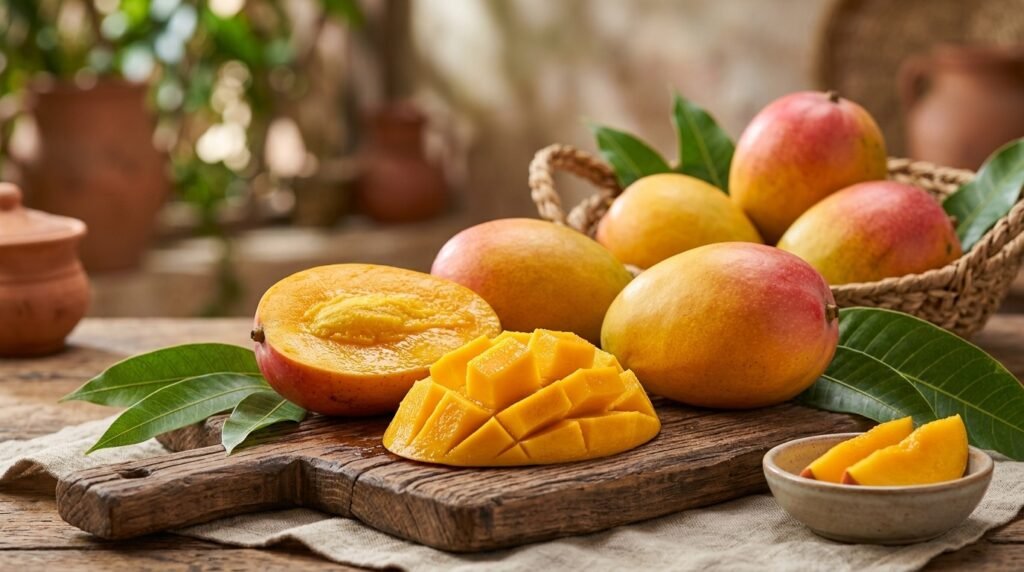
What Does Egyptian Mango Taste Like?
- Sweet and Tropical Flavor
- Juicy and Smooth Texture
Benefits of Egyptian Mango
- Rich in Vitamin C
- Provides Dietary Fiber
- Contains Antioxidants
Common Uses of Egyptian Mango
- Eaten Fresh
- Used in Juices and Smoothies
- Added to Desserts
- Used in Sauces and Fruit Dishes
Interesting Facts About Fruits That Start With the Letter E
Fruits that start with the letter E come in a surprising variety of shapes, flavors, colors, and textures from different regions around the world. Some are widely enjoyed, while others are rare fruits with unique characteristics and traditional uses.
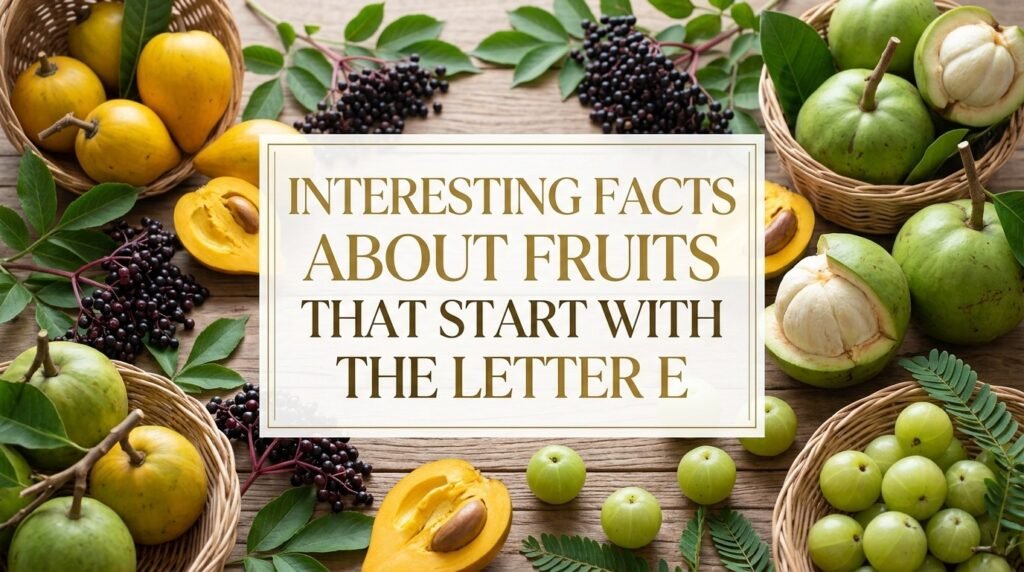
- Wide Variety: Fruits starting with E include both familiar and lesser-known varieties from different parts of the world.
- Different Flavors: Some are naturally sweet and juicy, while others can have tart, sour, or mild flavors.
- Unique Appearance: Many have unusual shapes, colors, and textures that make them interesting to explore.
- Nutritional Value: Several fruits provide important nutrients such as vitamins, minerals, fiber, and antioxidants.
- Natural Plant Compounds: Some contain beneficial plant compounds that contribute to their nutritional value.
- Global Diversity: These fruits represent different climates, regions, cultures, and food traditions.
- Educational Value: Exploring them can help readers learn about biodiversity, nutrition, agriculture, and different types of foods.
- Culinary Uses: Depending on the variety, they may be eaten fresh or used in drinks, desserts, salads, and other recipes.
Important Education About Fruits That Start With E
Learning about fruits that start with the letter E can help children and adults expand their vocabulary while discovering new foods and their nutritional characteristics. Fruits are generally important sources of dietary fiber, vitamins, minerals, water, and naturally occurring antioxidants. However, the nutritional value differs from one fruit to another, so eating a variety of fruits is usually a better approach than relying on only one type. It is also useful to understand where different fruits grow, how they are eaten, and whether they are commonly consumed fresh, dried, cooked, or used in beverages and desserts.
Frequently Asked Questions
What are some common fruits that start with the letter E?
Some examples include elderberry, European pear, emblic, and eggplant (botanically a fruit).
Are E fruits healthy?
Many E fruits provide valuable nutrients, including fiber, vitamins, minerals, and antioxidants.
Which E fruit has the most vitamin C?
Emblica, also known as Indian gooseberry, is especially known for its high vitamin C content.
Are all fruits starting with E tropical?
No. Some grow in tropical regions, while others grow in temperate climates.
Why learn about fruits by letters?
Learning fruit names alphabetically improves vocabulary and helps people discover new foods from different cultures.
Final Thoughts
The world of fruits that start with the letter E is filled with interesting flavors, unique varieties, and nutritious choices. From antioxidant-rich berries to tropical fruits and traditional favorites, each fruit offers something valuable.
Exploring fruits by their first letter E is a simple yet enjoyable way to learn about nature, nutrition, and global food diversity. Whether you are a student, gardener, or fruit enthusiast, these E fruits provide plenty of discoveries to enjoy.