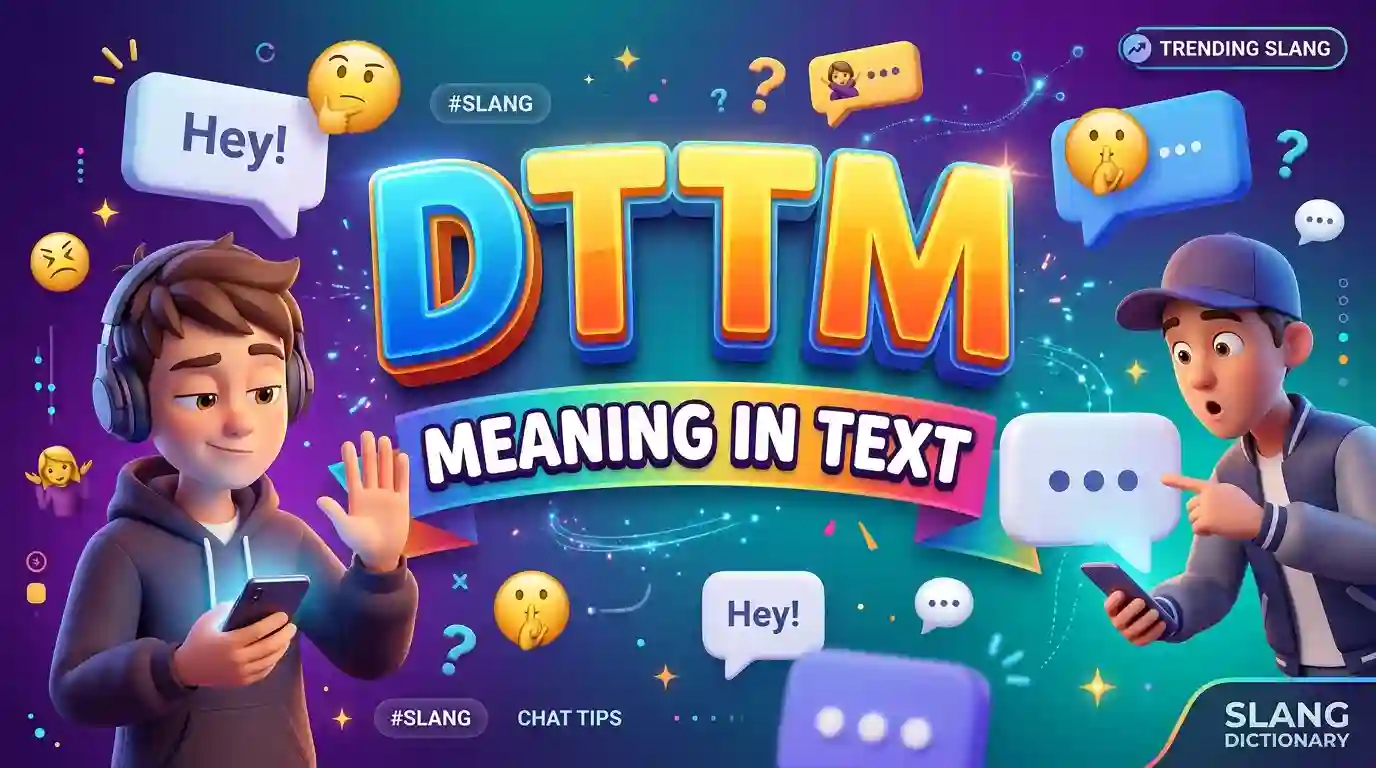
Understanding the DTTM meaning in text helps you recognize the sender’s mood and respond appropriately. In this guide, you will learn what DTTM means, how people use it, and when it is suitable. You will also discover practical examples, common mistakes, and helpful tips for using this texting abbreviation naturally.
What Does DTTM Mean in Text?
DTTM meaning in text “Don’t Talk to Me.” People use it in digital conversations to show that they do not want to talk at that moment. The message may express irritation, sadness, exhaustion, or a simple need for personal space.
For example, someone might text, “DTTM right now. I had a terrible day.” This message suggests that the person needs time alone. They may not want to explain their feelings or continue a conversation.
However, DTTM does not always indicate anger. Friends may use it jokingly after losing a game or hearing an embarrassing story. The surrounding conversation helps you understand the intended meaning.
Here are the main reasons people use DTTM:
- Frustration: They feel annoyed by someone or something.
- Personal space: They need time alone to relax.
- Emotional stress: They feel upset and want to process their feelings.
- Playful annoyance: They are joking with friends.
- Conversation boundaries: They want someone to stop messaging them temporarily.
The key is to consider the sender’s tone and your relationship with them before deciding how to respond.
Understanding the DTTM Meaning in Text Messages
The meaning of DTTM becomes clearer when you look at how people use it in everyday messages. A short abbreviation can communicate several emotions without requiring a long explanation.
For instance, a student might write, “DTTM until I finish these exams.” Here, the sender probably wants fewer distractions while studying. They may not feel angry with anyone.
In another situation, someone might say, “DTTM after what happened yesterday.” This message sounds more serious because it refers to a specific disagreement or upsetting event.
DTTM as a Sign of Anger
People sometimes use DTTM when they feel irritated or disappointed. They may need distance from a person or situation before they can discuss it calmly.
Example:
Friend A: “Why did you tell everyone my secret?”
Friend B: “DTTM. I’m really upset right now.”
In this exchange, the abbreviation communicates frustration. The sender does not want to continue the discussion immediately.
DTTM as a Request for Space
DTTM can also communicate a temporary need for quiet. Someone may feel tired, overwhelmed, or emotionally drained.
Example:
“DTTM for an hour. I need to clear my head.”
This message sets a boundary without necessarily blaming another person. Giving the sender some space may help prevent further tension.
DTTM as a Joke
Among close friends, DTTM can be a playful reaction to something surprising or embarrassing.
Example:
“You ate the last slice of pizza? DTTM forever!”
The exaggerated wording makes the message sound humorous rather than serious. Still, you should consider the relationship and context before assuming every use is a joke.
How People Use on Social Media “DTTM meaning in text“
Social media gives people many ways to express their moods, and abbreviations often appear in captions, comments, stories, and direct messages. DTTM fits these settings because it communicates a strong reaction in just a few letters.
Someone might post “DTTM today” after a stressful morning. Another person might comment “DTTM 😂” beneath a funny post about an embarrassing experience.
DTTM on Instagram
On Instagram, people may use DTTM in stories, captions, or direct messages. A person might post a short status to show that they feel irritated or want some quiet time.
For example:
- “DTTM until I get my coffee.”
- “DTTM. Today has been exhausting.”
- “DTTM after that embarrassing moment.”
The first example sounds playful. The second expresses tiredness, while the third may suggest embarrassment or frustration.
DTTM on Snapchat
On Snapchat, DTTM may appear in quick chats or messages sent to friends. Because Snapchat conversations often rely on brief, casual language, abbreviations can make reactions faster.
For example, someone might write, “DTTM, I just lost my streak!” The message could express annoyance about losing a streak or simply exaggerate disappointment for fun.
DTTM on TikTok
TikTok users may use DTTM in comments or captions to react to relatable videos. A video about an awkward date might inspire someone to comment, “DTTM after watching this.”
Such comments often use the abbreviation as a dramatic reaction. However, the abbreviation itself does not guarantee a humorous meaning. The video and surrounding comments provide useful clues.
Real-Life Examples of DTTM in Conversations
Examples make texting abbreviations easier to understand. The following conversations show how DTTM can express different feelings depending on the situation.
Example 1: When Someone Feels Annoyed
Alex: “You keep making jokes about my presentation.”
Sam: “DTTM. I’m not in the mood.”
Here, Alex’s jokes have upset Sam. The abbreviation signals that Sam wants the teasing to stop.
Example 2: When Someone Needs Quiet Time
Mia: “Are you coming online tonight?”
Zoe: “Probably not. DTTM for a while because I need some rest.”
Zoe is communicating a need for personal space. The message does not necessarily suggest a problem with Mia.
Example 3: When Friends Are Joking
Noah: “I finished the whole cake without sharing.”
Liam: “DTTM! You betrayed the entire group.”
This exchange uses exaggerated language for humor. Liam is probably teasing Noah rather than ending their friendship.
Example 4: During an Argument
Emma: “Can we talk about our disagreement?”
Olivia: “Not now. DTTM until I calm down.”
Olivia needs time to manage her emotions. Emma can respect that request and ask to talk later.
Example 5: During a Busy Day
Ryan: “Can you help me with this assignment?”
Jordan: “DTTM for the next hour. I need to finish my own work first.”
Jordan is setting a temporary boundary. The wording is direct, although a softer alternative might sound more considerate.
Example 6: After an Embarrassing Moment
Ava: “Everyone saw me trip in the hallway.”
Ella: “DTTM, I need to disappear from school forever.”
Ella is expressing embarrassment in a dramatic, humorous way. The context suggests that the message is not a literal request to end all communication.
Is DTTM Rude or Disrespectful?
DTTM can sound rude because “Don’t Talk to Me” is direct and leaves little room for discussion. However, whether it feels disrespectful depends on the situation, the sender’s tone, and the relationship between the people involved.
If someone sends DTTM during a heated argument, the recipient may interpret it as dismissive. The message can sound like a rejection, especially when the sender offers no explanation.
On the other hand, people have a right to request personal space. A person who feels overwhelmed may use a short message because they cannot manage a longer conversation at that moment.
Consider these factors:
- Tone: Does the message sound angry, playful, or calm?
- Timing: Did it arrive during an argument or an ordinary conversation?
- Relationship: Do you regularly joke with this person?
- Explanation: Did the sender explain why they need space?
- Pattern: Is this a one-time request or repeated behavior?
If you want to set a boundary without sounding harsh, try saying, “I need some time alone. We can talk later.” This wording communicates the same general idea while offering reassurance.
DTTM vs. Similar Texting Abbreviations
DTTM is not the only abbreviation people use to express frustration, silence, or a desire for distance. Several related terms appear in online conversations, but each has a different meaning.
| Abbreviation | Full form | Common use |
| DTTM | Don’t Talk to Me | Requests space or expresses annoyance |
| GTG | Got to Go | Ends a conversation because someone needs to leave |
| BRB | Be Right Back | Signals a temporary absence |
| IDC | I Don’t Care | Expresses indifference or dismisses a concern |
| NVM | Never Mind | Withdraws a request or drops a topic |
| STFU | Shut the F*** Up | Uses a much harsher command to tell someone to stop talking |
These abbreviations are not interchangeable. GTG usually gives a practical reason to leave a conversation, while BRB suggests that the person plans to return soon.
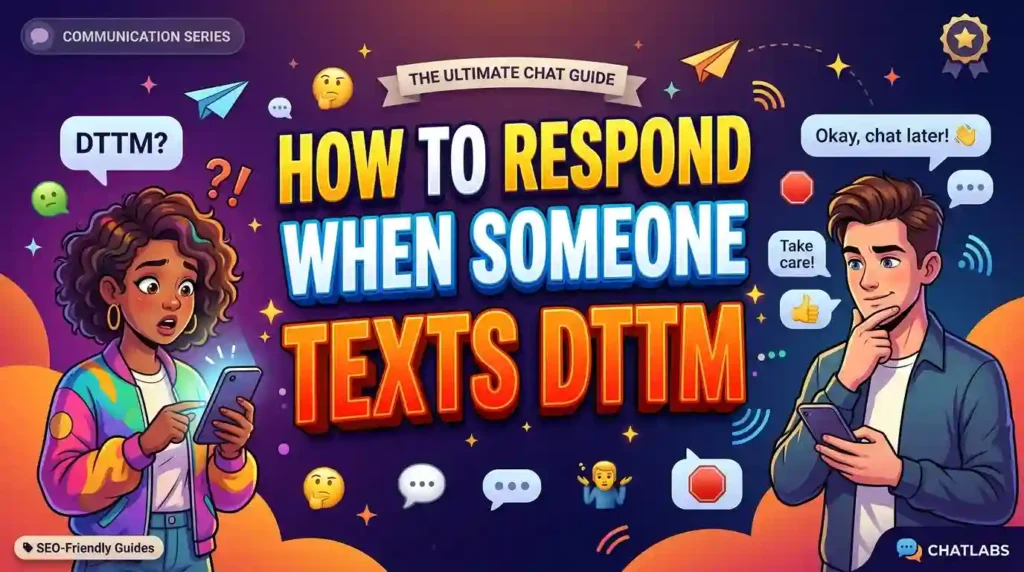
How to Respond When Someone Texts DTTM
Your response should match the situation. If someone seems upset, avoid arguing or demanding an immediate explanation. A calm reply can show that you respect their feelings.
1. Give Them Space
If the sender clearly wants time alone, do not keep sending messages. Repeated texts can make the situation more stressful.
You can reply:
“Okay, I’ll give you some space.”
This response acknowledges the request without creating another disagreement.
2. Ask Whether They Want to Talk Later
If the relationship matters to you and the situation seems serious, you can offer to reconnect later.
For example:
“I understand. Let me know when you’re ready to talk.”
This leaves the decision with the other person. It also avoids pressuring them to respond immediately.
3. Avoid Taking Every Message Personally
Not every use of DTTM means that someone dislikes you. They might be tired, stressed, busy, or joking with a close friend.
Look at the wider conversation before concluding. If you are unsure, wait until the person feels comfortable discussing the message.
4. Recognize When the Situation Is Serious
If DTTM follows a disagreement, take the message seriously. Do not assume that humor or repeated apologies will immediately resolve the problem.
Give the person time to calm down. When they are ready, discuss the issue respectfully and listen to their concerns.
5. Respect Clear Boundaries
If someone repeatedly asks you to stop messaging, respect that request. Do not use other accounts or platforms to get around their boundary.
If you need to communicate about an important practical matter, keep your message brief and appropriate. Otherwise, allow them to decide whether they want to resume the conversation.
How to Use DTTM Correctly in Your Own Messages
You can use DTTM in casual digital conversations when the abbreviation suits your relationship and the situation. However, it is important to consider how the recipient may interpret your words.
Follow these simple tips:
- Use it with the right audience. Close friends may understand your humor, but colleagues or new acquaintances may find it abrupt.
- Add context when needed. Explain whether you need quiet time, feel upset, or are joking.
- Avoid using it to provoke people. Do not send it merely to make someone anxious or force them to chase you.
- Choose clearer wording for serious situations. Direct, respectful sentences often work better than unexplained abbreviations.
- Consider the platform. Casual abbreviations may fit private chats but may not suit professional emails or formal discussions.
For example, “DTTM 😂 I just saw the ending!” may sound playful between friends who share a sense of humor. In contrast, “DTTM. I’m upset about what happened, and I need time” communicates a more serious boundary.
Remember that written messages lack many face-to-face signals, such as facial expressions and vocal tone. A short abbreviation may therefore sound harsher than you intend.
Common Mistakes to Avoid When Using DTTM
Even familiar abbreviations can create confusion when people use them without considering context. Avoiding a few common mistakes can help you communicate more clearly.
Assuming it always means anger: DTTM can express annoyance, but it can also be playful or reflect a need for rest.
Treating it as a permanent rejection: The message may describe a temporary boundary rather than the end of a friendship. However, respect any clear request for ongoing distance.
Using it without explanation during serious conversations: A bare abbreviation can make an argument worse. If possible, explain what you need and when you might be ready to talk.
Ignoring the recipient’s feelings: A joke that seems harmless to you may hurt someone else. Consider how your words may sound to the person reading them.
Confusing it with similar abbreviations: DTTM specifically means “Don’t Talk to Me.” Do not assume it means “Got to Go,” “Be Right Back,” or another common texting phrase.
Expecting everyone to know it: Not every person recognizes every internet abbreviation. If someone asks what you mean, explain it rather than criticizing them.
Clear communication matters more than using the shortest possible phrase. When the situation is emotional, a few extra words can prevent unnecessary misunderstandings.
Conclusion:
DTTM is a casual texting abbreviation that stands for “Don’t Talk to Me.” People use it to express annoyance, request personal space, show emotional exhaustion, or joke with friends. Its meaning depends on the conversation, the relationship, and the sender’s tone.
Understanding the DTTM meaning in text can help you interpret messages more accurately and avoid unnecessary misunderstandings. If a friend sends DTTM after a stressful event, they may simply need time alone. If someone uses it jokingly after a funny or embarrassing moment, they may not be upset at all.
When you receive this message, look at the context before reacting. If the sender seems serious, respect their request and give them space. If you plan to use the abbreviation yourself, think about your audience and explain your feelings when necessary.
Most importantly, remember that abbreviations cannot always communicate emotions clearly. A short, respectful sentence may work better when the situation matters. By choosing your words carefully, you can maintain healthy boundaries and build better communication habits online.
Frequently Asked Questions
1. What is the DTTM meaning in text?
DTTM stands for “Don’t Talk to Me.” People use it to express annoyance, request personal space, or react humorously to something a friend has said or done.
2. Does DTTM mean someone is angry with you?
Not always. The sender may feel angry, tired, embarrassed, or overwhelmed. Friends can also use it jokingly. Read the surrounding messages to understand the likely meaning.
3. What does DTTM mean on Snapchat?
On Snapchat, DTTM has the same basic meaning: “Don’t Talk to Me.” People may use it in chats or quick reactions to show frustration, request quiet time, or joke with friends.
4. Is DTTM rude to use?
It can sound rude because it directly tells someone not to talk. However, it may be reasonable when someone needs space. A softer message can communicate the same boundary more politely.
5. How should I reply to DTTM?
If the sender seems serious, you can say, “Okay, I’ll give you some space. Let me know when you’re ready to talk.” Avoid repeatedly messaging someone who has clearly asked for distance.
6. Is DTTM the same as GTG?
No. DTTM means “Don’t Talk to Me,” while GTG means “Got to Go.” DTTM communicates a desire to stop or avoid communication, whereas GTG usually signals that someone needs to leave.